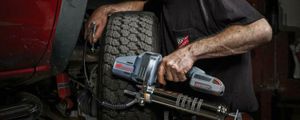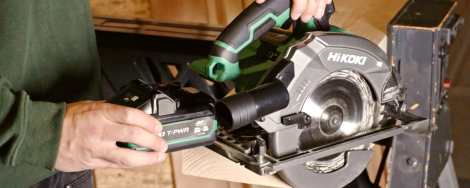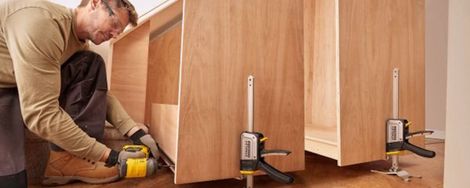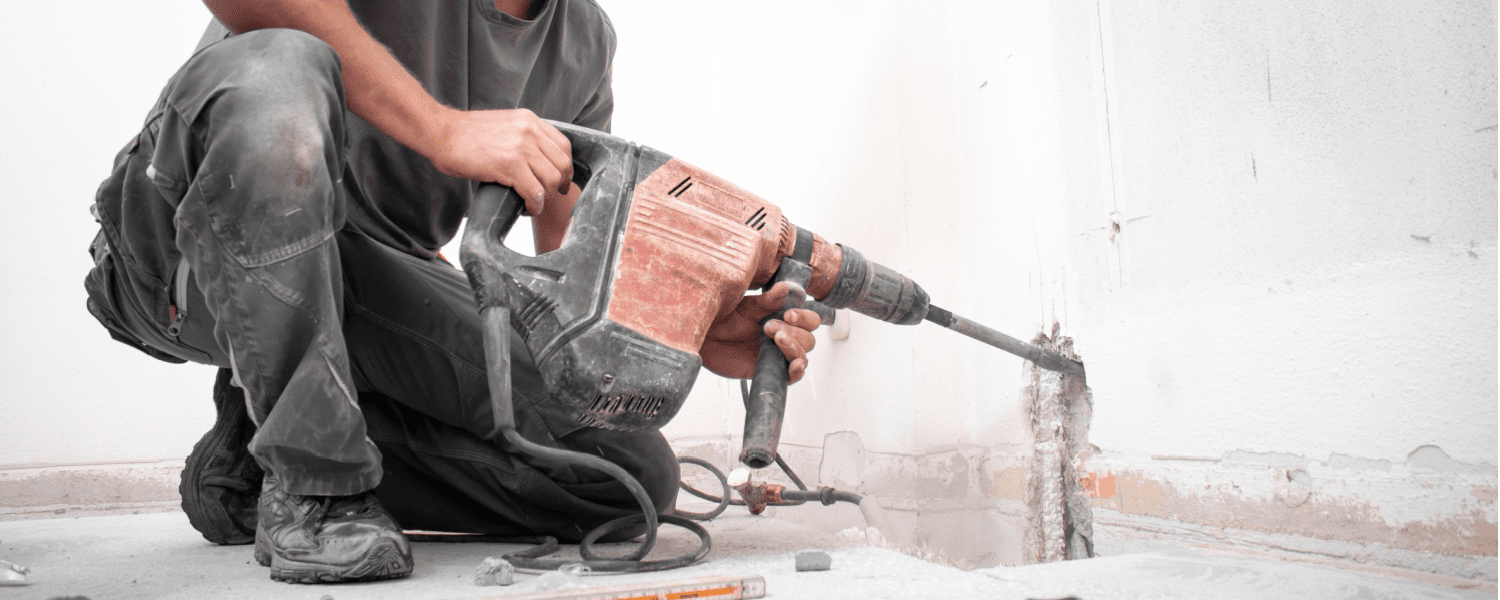
Mechanical vibrations and shocks can be divided into whole-body vibrations and hand-arm vibrations. Both forms are known to cause harm to the human body, and the likelihood of damage increases as the intensity and duration of exposure increase. In this article, we talk about hand-arm vibrations from power tools such as drills, angle grinders, power hedge trimmers, pneumatic hammers and nailers and what most users are exposed to.
What damage does hand-arm vibration cause?

Hand-arm vibration can cause neurological damage in the fingers and hands and circulatory disturbances. A common consequence is Raynaud’s syndrome, also known as white finger syndrome. The contraction of the muscles in the blood vessel wall temporarily reduces the blood flow through the blood vessels of the fingers, causing them to turn white. In the long run, poor blood flow can result in irreparable damage to bones, joints, blood vessels or nerves in the hands and arms.
What does the law say about exposure to vibration?
Regulations have been established both at the EU and national levels to protect workers.
The European Machinery Directive (2006/42/EC) obliges manufacturers of power tools to reduce the vibrations caused by their machines to the lowest possible level and to state the vibration level of their machines in the manual in m/s² (meters per second- square). Based on this information, the ‘action value’ and the ‘limit value’ can be calculated, i.e. the total dose of vibrations and shocks on an 8-hour working day. The action value for hand-arm vibrations is 2.5 m/s². If this figure is higher, the employer must take measures. The limit value is 5.0 m/s² and must not be exceeded.
What can the employer do?
It is the responsibility of the employer to establish the values and to take measures if necessary. This can be done, for example, by shortening the working time with certain machines or by providing other tools. Other things employers can do to minimize vibration exposure:
- When purchasing, opt for machines with the lowest vibration level and features such as vibration-damping handles.
- Good and regular maintenance.
- Ensure sufficient breaks and a variety of activities.
- Provide personal protective equipment.
What can you do as a user?
- Inform yourself of the action value and do not exceed it.
- Alternate work with less demanding tasks.
- Take regular breaks.
- Wear work gloves and warm clothes in cold weather. The damaging effects of vibrations increase in chilly environments.
- Ensure a good working posture and do not use more force than necessary. Squeezing the tool increases the risk of injury.