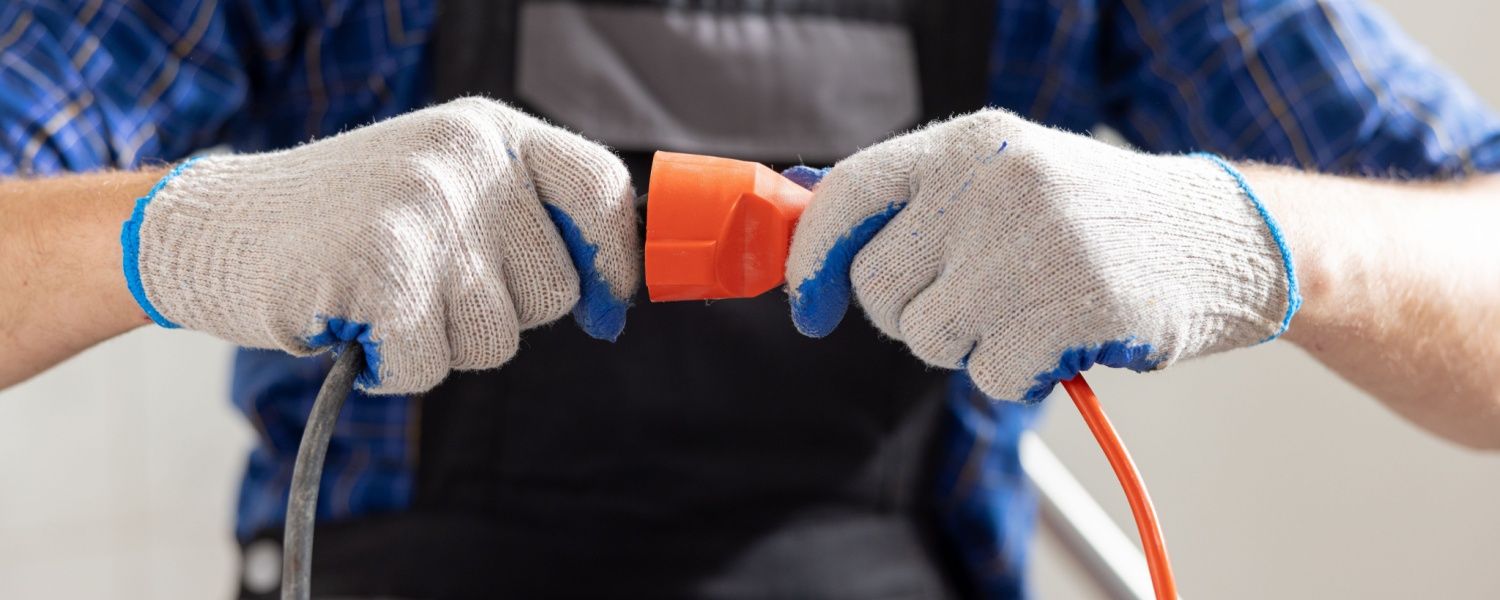
When working with electrical tools, a power outlet is not always nearby. In such cases, an extension cable is what you need. However, working safely with an extension cable requires a few precautions.
Various Options
Extension cables, socket outlets, and cable reels — there are various ways to get power to the workplace. A socket outlet is mainly used to increase the number of power outlets. It is a good solution for electronic devices at home, but for electrical tools, a professional extension cable or cable reel is a better solution, and you are always assured of a safe power supply where you need it.
Which Extension Cable Do You Need?
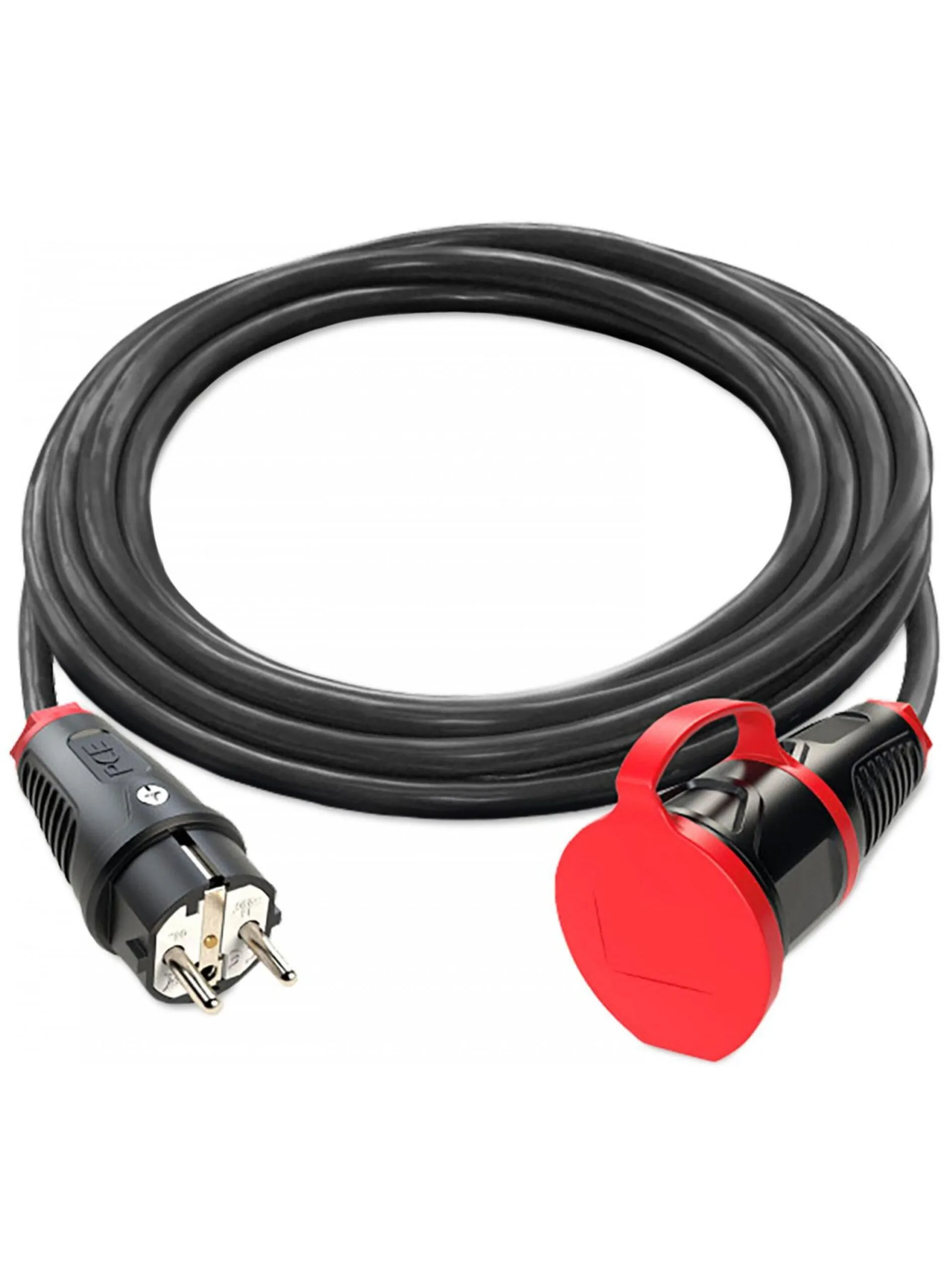
The best extension cable for your purpose depends on several factors.
The Right Length and Thickness
The most common lengths of the extension cable are 5 metres, 10 metres, 15 metres, 20 metres, 25 metres, 30 metres, and 50 metres. The longer an extension cable is, the more voltage drop occurs. Therefore, the maximum length depends on the device that will be connected. For example, for a 1500-watt machine, the maximum cable length should be 30 metres. Also, the thickness of the extension cable is crucial. A too-thin cable gets hot quickly and can cause a fire. When you opt for a professional extension cable from the Klium range, you’re guaranteed a safe way to power powerful power tools.
Extension Cable for Outdoor Use

When mowing the lawn, trimming the hedge, using the chainsaw, or any other garden tasks, an extension cable is often indispensable. A power cable for outdoor use must have a minimum IP rating of 44. This means it is ‘splash-proof’ and offers basic protection against damp conditions or rain. Also, the socket must be equipped with a flap to prevent the ingress of water or dirt.
For outdoor use, rubber is the best material. Rubber power cables, identifiable by the RN code, are resistant to sun, rain, cold, and wind. Even at low temperatures, a rubber cable does not become stiff and remains flexible to roll up. This is important because otherwise, cracks could occur in the sheath, which can cause a fire. Rubber can also withstand heat and does not soften at high temperatures.
Cable Reel
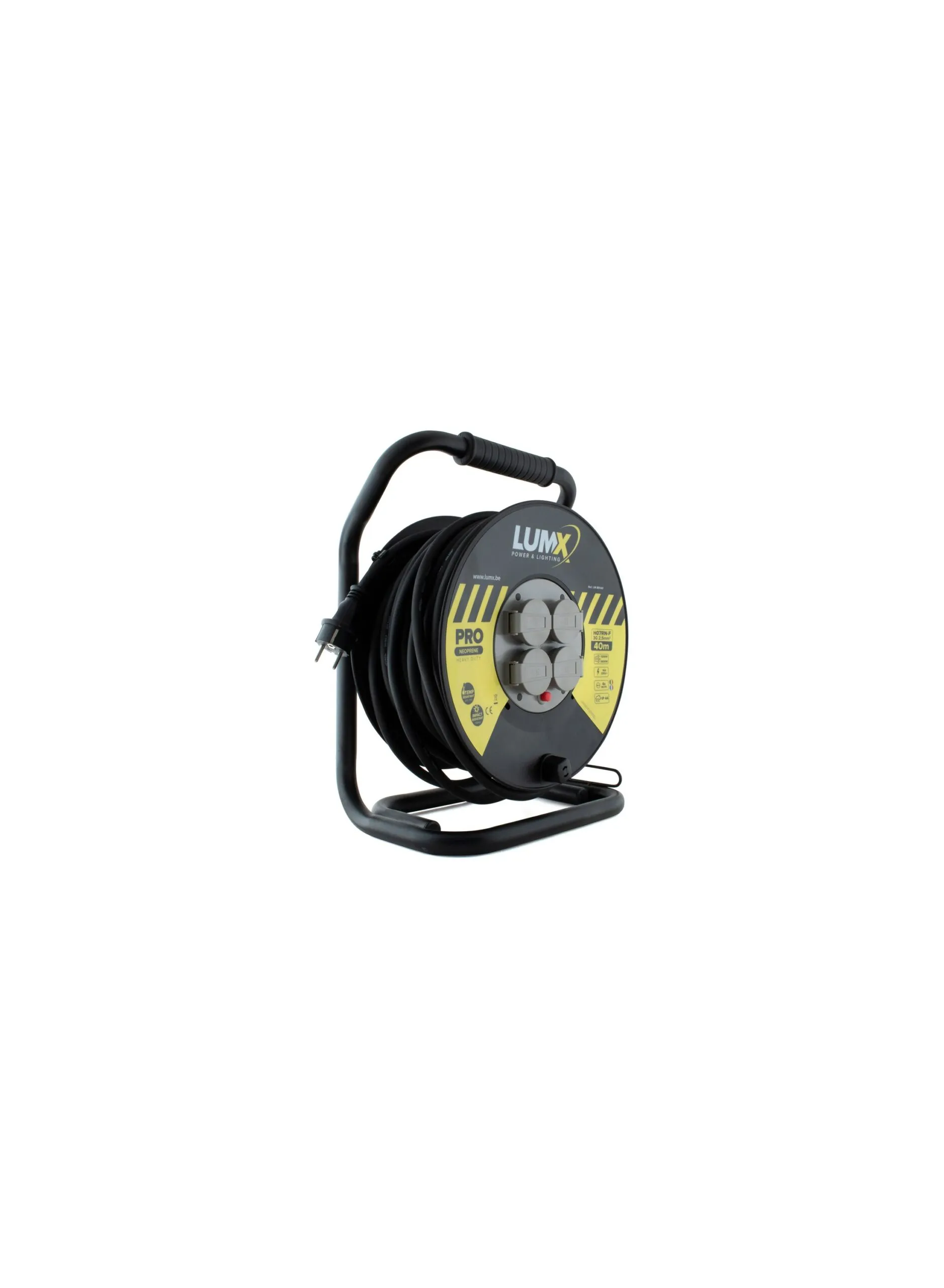
A cable reel is a good solution, especially for longer extension cables. A long cable can become quite heavy and difficult to roll up. A reel solves this problem and has a handle that makes the cable easy to carry. Choose a reel with multiple outlets equipped with protective flaps so that you are prepared for all possible applications indoors and outdoors.
Safety Tips
- Always fully unwind a cable reel. It is dangerous to leave the cable half on the reel. A cable on a reel that is not fully unwound cannot dissipate its heat and reach very high temperatures, posing a fire hazard.
- Covering extension cables, for example, under a carpet, is not advisable for the same reason. Always keep the cable free so it can dissipate the heat.
- Extension cables should always be connected directly to a power outlet. They should not be linked together, as this can cause overload.
- Replace extension cables when they show signs of damage or cracks.