As our garden tools are put away for the winter, it is also the ideal time to get them into top shape for the next season. This includes cleaning, sharpening, checking for damage, protecting them from moisture and cold, and replacing broken parts.
Cleaning
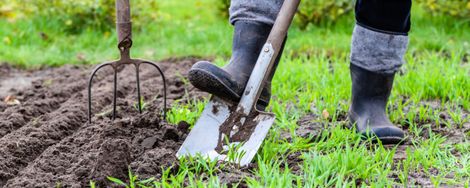
The first step before storing your tools for winter is to clean each one thoroughly. This not only ensures you’ll start fresh in the spring but also makes maintenance more effective. Hand tools like spades, rakes, and pruning shears should be cleaned with a stiff brush and water to remove dirt and mud. If needed, use a scraper to dislodge any caked-on soil. A putty knife works well to remove stubborn grass clippings from the underside of a lawnmower. While cleaning, check your tools for wear and tear or any damage.
Maintaining Wooden Handles
Loose or wobbly handles on spades, hoes, rakes, and other hand tools can be secured with nails or fixed with a wooden or metal wedge. Wooden handles can become rough due to weather exposure. Sand them down with fine-grain sandpaper to smooth them out. Before storing your hand tools for the winter, rub the handles lightly with linseed oil.
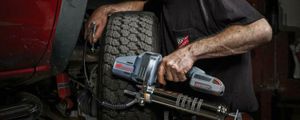
Lubricating Moving Parts
To keep your tools functioning smoothly, it’s important to lubricate the moving parts. This applies to tools such as pruning shears and hedge trimmers. Use high-quality lubricating oil to ensure smooth operation and prevent rust during winter storage.
Sharpening
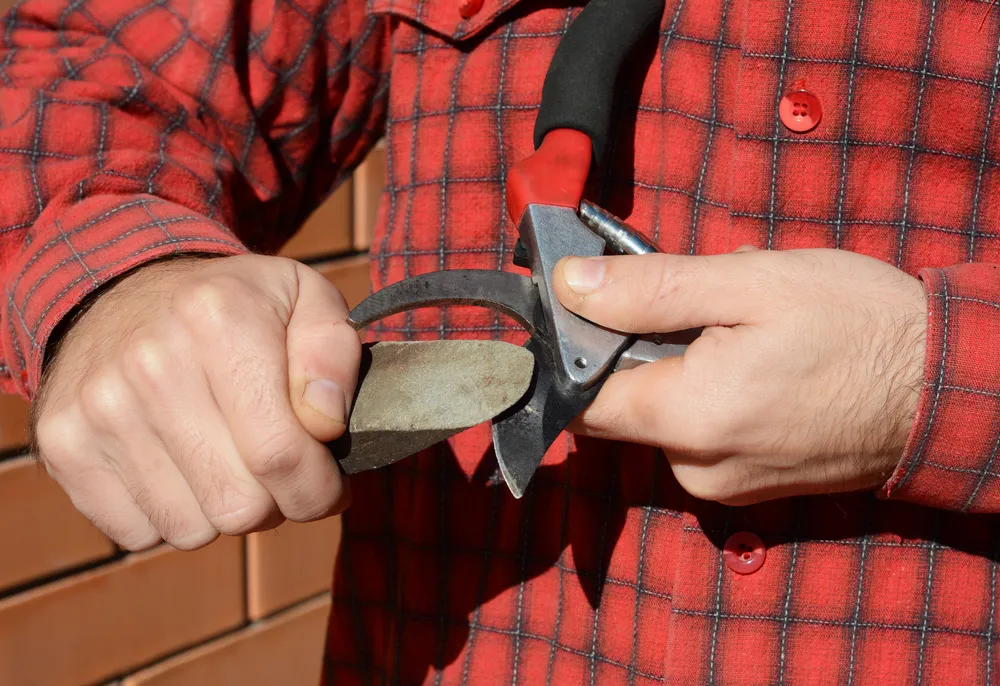
After a season of intensive use, the blades of your garden tools may become dull and need sharpening to ensure efficient use in the next season. You can use a whetstone or file to sharpen pruning shears, axes, spades, hoes, and other hand tools. Make smooth strokes and be sure to maintain the original sharpening angle. You can read the detailed guide Sharpening Your Pruning Shears for more precise instructions. After sharpening, apply a light layer of oil to protect the tools from rust.
Replacing Worn Parts
If you encounter worn pruning blades, broken handles, rusted bolts, or other parts that are too damaged to repair, now is the time to replace them. This helps prevent unpleasant surprises at the start of the new gardening season.
Motorized Garden Tools
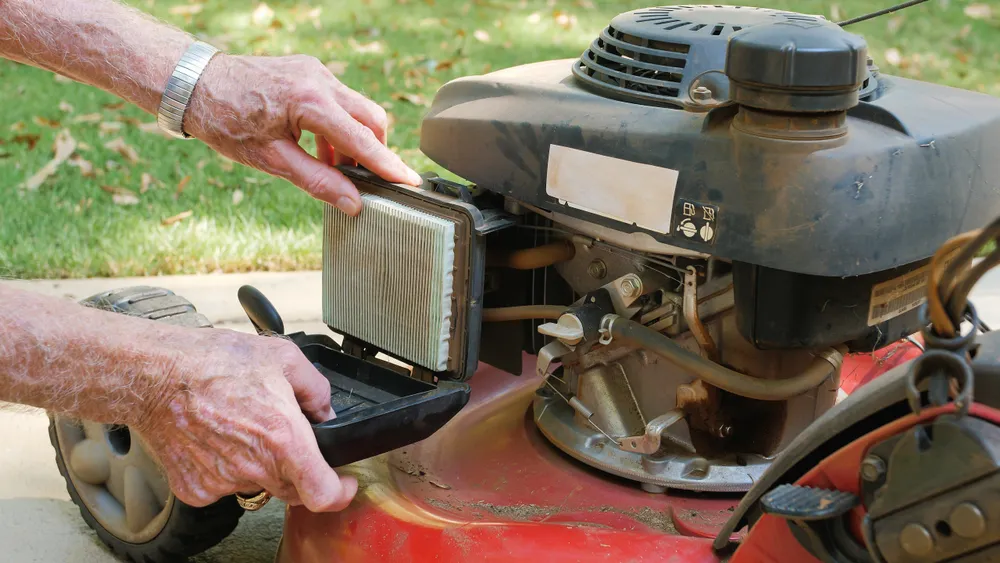
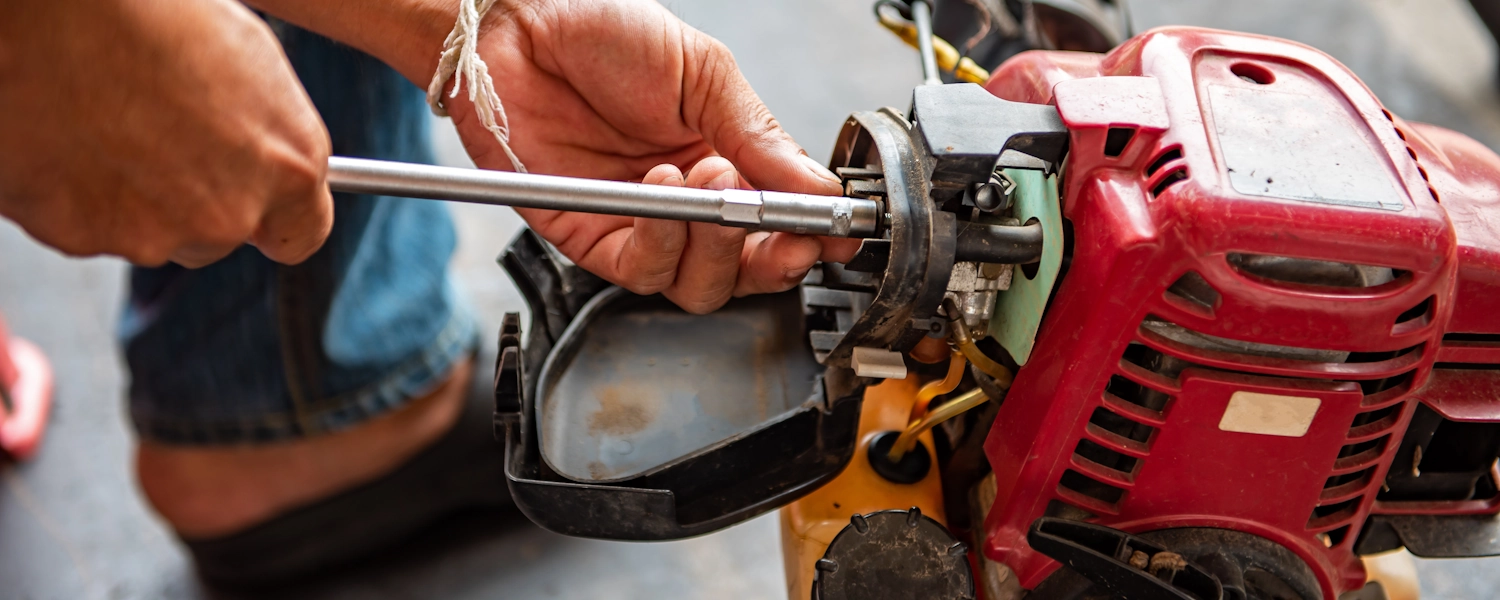
Motorized tools like lawnmowers, hedge trimmers, chainsaws, and trimmers are more complex than hand tools and require more work and expertise to maintain. For this reason, many gardeners prefer to leave it to professionals. For those who want to tackle the task fully or partially themselves, here’s a short checklist:
Cleaning and general inspection
- Draining fuel
- Replacing motor oil
- Cleaning the air filter
- Checking and replacing spark plugs if necessary
- Sharpening blades, saw teeth, or cutting blades
- Adjusting and lubricating control cables
- Lubricating wheel bearings
- For electric and battery-operated tools: check cables and replace them if showing signs of wear or damage
Storage
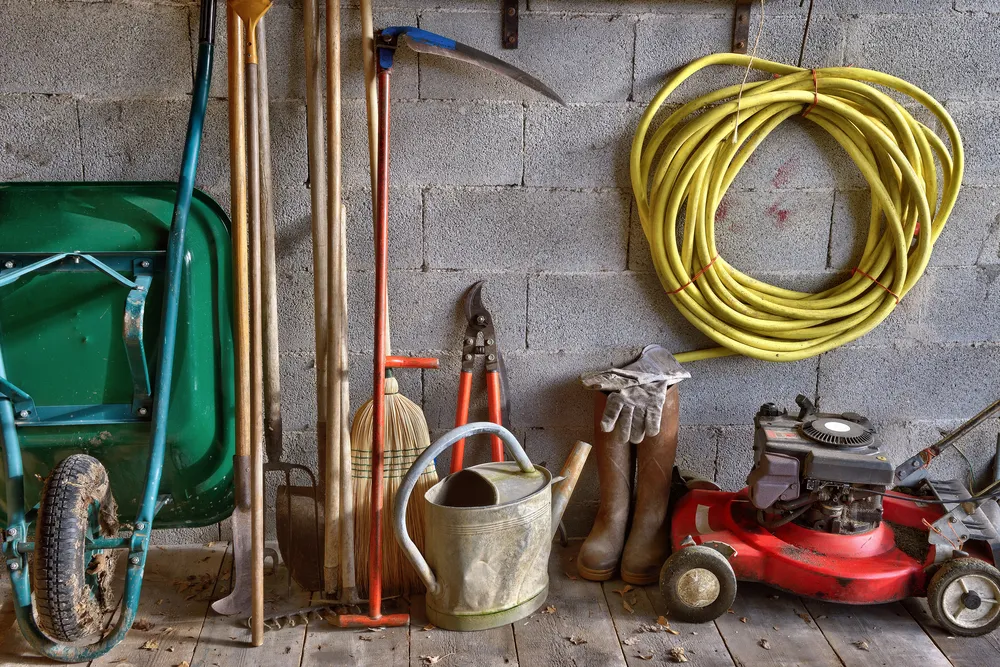
Once maintenance is done, your garden tools are ready for the new season. To ensure they remain in excellent condition after the winter months, here are some tips for ideal storage conditions:
- Store your garden tools in a dry, well-ventilated space.
- Hang hand tools on a wall or keep them in a toolbox to prevent contact with damp floors.
- For electric tools, the original packaging provides good protection through the winter.
- Remove batteries from machines. Li-ion batteries should ideally be stored with around 50 to 70% charge. The fuller the battery is stored, the faster it oxidizes internally — not great for its lifespan.