Lithium-ion (Li-ion) batteries are now the standard power source for electric tools. They are compact, powerful, and long-lasting. With proper care, they can last up to 1,000 charge cycles. However, even Li-ion batteries can sometimes fail. For major problems, the supplier’s repair service can sometimes help, although you are often better off with a new battery. But there are minor problems you can fix yourself. Here, we explain how to do that and provide tips to extend the lifespan of your tool batteries.
If the battery won’t charge:
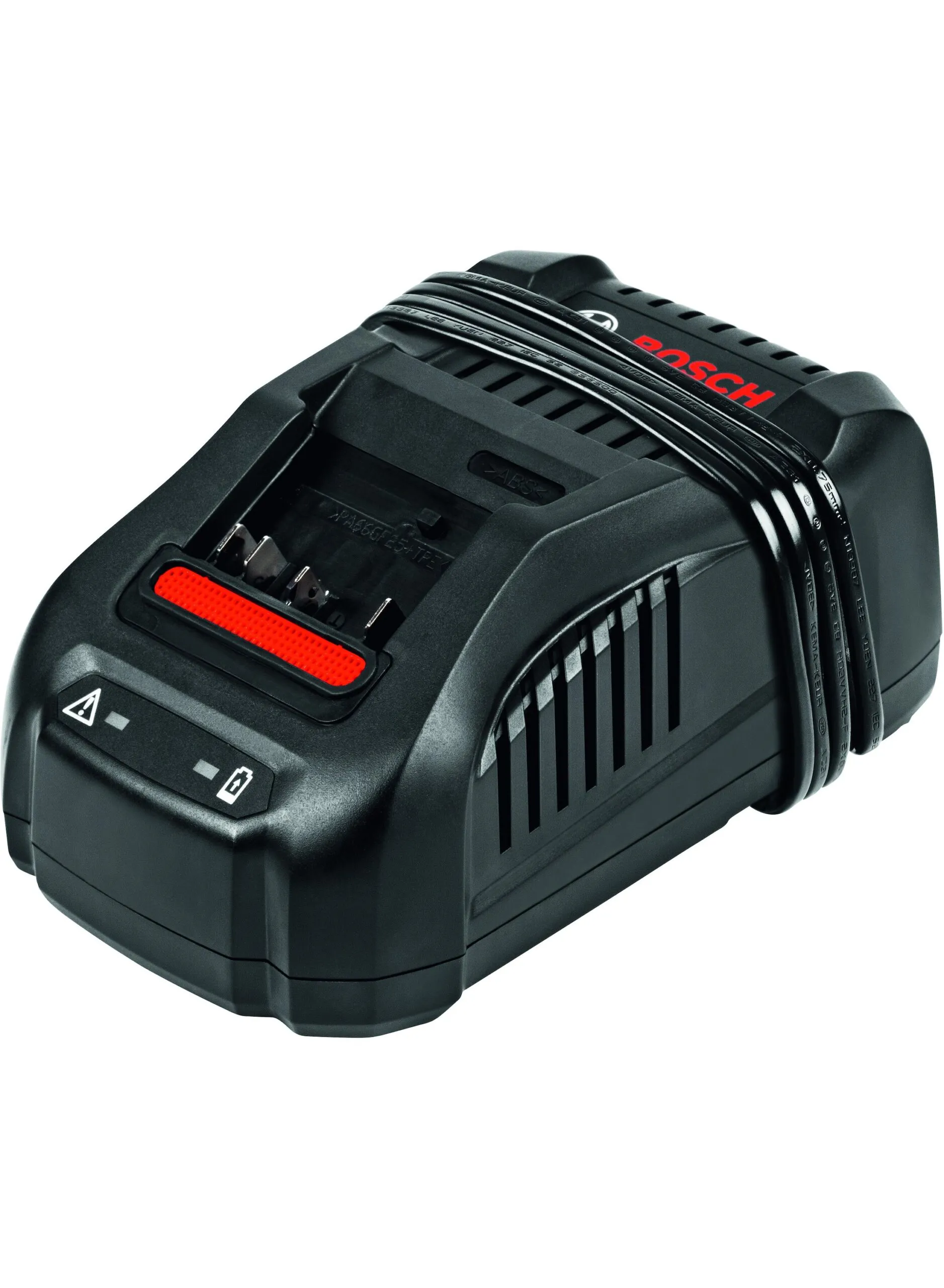
Check the charger. Ensure the charger is properly connected and the socket works. Test another device in the same socket to rule out power issues.
Clean the contacts. Dirt and dust on the battery terminals can prevent charging. Clean the contacts of the battery and the charger with a dry cloth.
Fix a temperature issue. Li-ion batteries have built-in temperature sensors and won’t charge if they are too hot or cold. Let the battery reach room temperature before trying to charge it again.
Reset the battery. Some Li-ion batteries have a reset button. Press it to reset the battery’s internal electronics.
Replace the charger. If the battery still won’t charge, the charger might be faulty. Try another charger that is compatible with your battery.
If the battery drains quickly:
Calibrate the battery. Discharge the battery and then fully charge it. This recalibrates the battery management system.
Check the tool. Ensure the electric tool is not the issue. A defective tool can quickly drain the battery.
Work at the right temperature. Using the battery in extreme temperatures can affect its lifespan. Try to use the battery at room temperature.
Accept the inevitable. Li-ion batteries don’t last forever. If the battery is old or heavily used, it might need to be replaced.
If the battery gets too hot:
Let it cool: If the battery is too hot, let it cool down before using or charging it.
Check ventilation: Ensure the tool’s ventilation openings are not blocked. Overheating can be caused by poor airflow.
Inspect the tool: A defective tool can cause the battery to overheat. Check for signs of damage or wear.
Avoid overloading: Continuous heavy use of the tool can overheat the battery. Take breaks to let the battery cool down.
If the battery doesn’t hold a charge:
Reset the battery. Discharge the battery and fully charge it to help reset the battery management system.
Check for memory effect. Although rare in Li-ion batteries, frequent partial discharges can lead to capacity loss. Occasionally fully discharge and charge the battery.
Accept the inevitable. Li-ion batteries have a limited number of charge cycles. If the battery is old, you will need to replace it.
Store properly. Keep batteries in a cool, dry place. Extreme temperatures can affect battery capacity.
If the battery indicator shows incorrect charge levels:
Calibrate the battery. Discharge the battery and then fully charge it to recalibrate the battery indicator.
Check the connections. Ensure the battery makes good contact with the tool’s connectors.
Tips to extend your battery’s life
- Don’t fully drain a Li-ion battery. Deep discharge, where the remaining capacity drops below 5%, can irreparably damage a Li-ion battery. Charge the battery when it still has about 20% capacity left.
- Store your battery half-full. If not used for a long period, store a Li-ion battery with about 50-70% charge. Storing it fully charged accelerates internal oxidation, reducing its lifespan.
- Charge to 100% only the first time. When first using a new Li-ion battery, it’s recommended to fully charge it. After that, it’s better to remove it from the charger a bit earlier. A battery charged to 100% typically has around 500 charge cycles. Charging consistently to 90% can extend this to about 1,000 cycles.
- Avoid heat. Let the battery cool down before charging, and don’t store it in hot places, like in direct sunlight. High temperatures significantly accelerate the normal loss of capacity.
You can find more advice about batteries in Battery platform: one battery for all your tools.