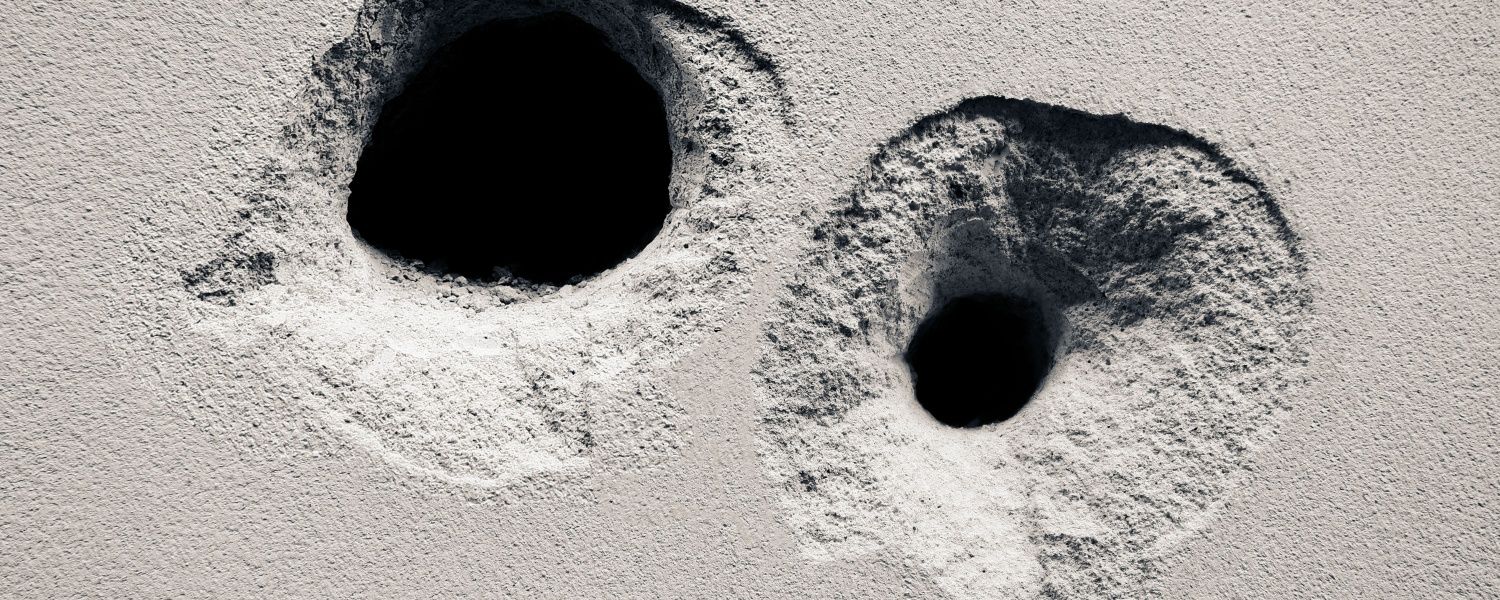
Dealing with a wandering drill that leaves you facing an oversized hole, entire chunks of wall crumbling away, and plugs that refuse to stay put… Poor walls demand special attention if you’re planning to hang anything. Follow these tips to avoid issues.
Drill with Control
Particularly with poor walls, employing the correct drilling technique is paramount. Disable the hammer function on your drill and proceed to drill slowly, at a low RPM, and without exerting excessive pressure. Ensure the drill bit is sharp, as blunt bits can cause the wall to crumble even faster. Aim to drill a hole slightly deeper than the length of the plug and with a diameter just a smidgen smaller than the thickness of the plug.
Choose the Right Plug
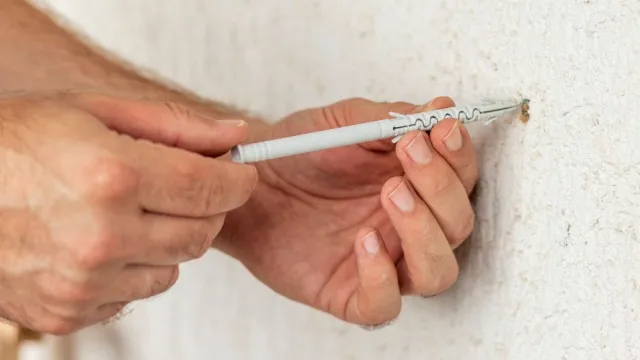
A longer plug might be the solution if it’s just the plaster layer crumbling. If the drill hole ends up larger than intended, opting for a thicker plug is a straightforward fix. If that’s not feasible, there are several ways to fill the hole:
- With a chemical anchor: A special two-component paste is applied with a caulking gun. After application, press the plug into the filled hole and allow it to harden. For lighter loads, filling the hole with putty is also an option.
- Inject wood glue into the hole and insert toothpicks or matches until completely filled. Gently tap them in with a hammer to ensure they’re as deep as possible. After the glue dries, snap off any protruding ends. This method is suited for screws that won’t bear too much weight.
- Another handy trick involves stuffing the hole with steel wool and firmly pressing it in with a screwdriver. This provides the screw with enough grip for lighter loads.
Drilling into Plaster
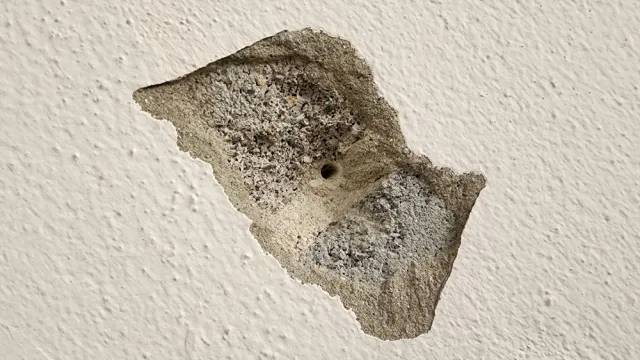
The plaster layer that often finishes walls can easily break during drilling, leading to an overly large and unsightly hole. Minimize this risk and prevent drill slippage from damaging the wall by covering the area with adhesive tape. Alternatively, use a piece of wood with a pre-drilled hole pressed against the wall as a guide for your drill. A centre punch can also be used to create a small initial hole in the plasterwork for added stability.
For more drilling tips, read Drilling through cinder block walls.