
ESD stands for electrostatic discharge. An ESD is a short-lived electric current between two differently electrically charged (insulated) bodies, causing charge equalization. Most people are familiar with electrostatic discharge from, for example, getting out of a car or taking off a sweater.
What is an ESD Protected Area?
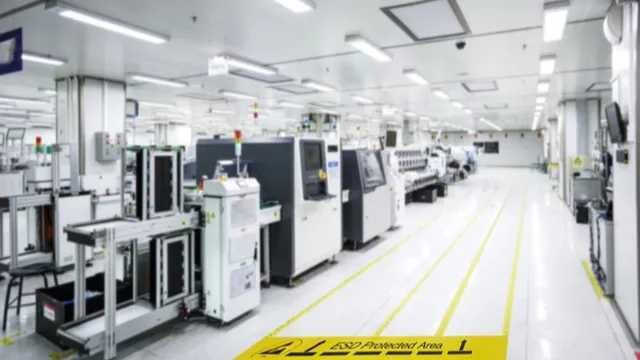
An ESD Protected Area (EPA) is a defined area in which all surfaces, objects, people, and ESD-sensitive devices are kept at the same electrical potential. The electric potential of a static electric field is the potential energy per unit charge. The potential difference in an electrical circuit is usually referred to as electrical voltage.
An ESD Protected Area is achieved by simply using ‘groundable’ materials (i.e. materials with an electrical resistance typically less than 109 ohms) for surface covering and the manufacture of containers and tools. All surfaces, products, and people need to be grounded. Employees must also be grounded using a wrist strap and grounded cord or ESD shoes.
Why is an ESD Protected Area necessary?

Electrostatic discharge (ESD) can damage electronic components and products. Often, people cannot detect this damage by quality checks, which can be very frustrating for the owner. Damage from electrostatic discharge can seriously impair or even destroy devices. Electrostatic discharge can damage parts to such an extent that they no longer work and become completely useless.
ESD safety standards

To control electrostatic discharge (ESD) in the workplace, you must follow the following ESD standards. The first thing to do is to ground all possible conductors, including workers on ESD protected workstations. Second, all unnecessary non-conductors (also called insulators) must be removed. The third measure to take is to place ESD-sensitive devices in shielding packaging when transported outside an ESD Protected Area or EPA. The standard IEC61340-5 determines which packaging and in which situations should you protect ESD sensitive components.
Using ESD tools
In an ESD Protected Area, you can, of course, only use ESD tools. First of all, all employees must wear special ESD clothing, such as ESD shoes, a t-shirt, pants and an ESD wristband. Wearing ESD clothing in an EPA is mandatory. Make sure your EPA workplace is free of any static materials, including the tools you are using. Working in an ESD Protected Area is only possible with ESD-safe tools.
When we think of ESD-safe tools, Wera toolsets immediately come to mind. Wera specializes in tools embedded with protection against electrostatic energy as defined by the European Standard DIN EN 61340-5. This standard also includes a handle made of defined electrically conductive material. The Wera products in their ESD series, such as the ESD screwdrivers, meet this standard and the even stricter requirements of some technology companies. Wera’s ESD tools ensure safe protection against electrostatic energy and possible consequential damage.
Do you want to learn more about how to work safely? Head over to our article “Which dust mask for which job” for more information.