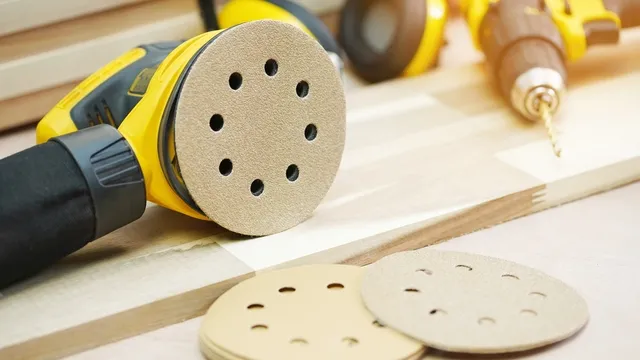
Sanders exist in different versions with specific specialties, depending on what the machine is to be used for. Keeping your sander properly maintained is of course important so that your tools can last longer. Maintaining a sander means cleaning and replacing parts as needed. Certain maintenance is required after each time the machine is used, while other maintenance must be done on a regular basis
Maintenance after each use
After each job you should remove the drum cover and thoroughly blow out the dirt that has accumulated underneath. Focus on the fan system, conveyor and motor, but clean the entire machine thoroughly with filtered and purified compressed air. If you make a habit of blowing the dirt out of the machine, it will keep it running smoothly for longer. The sanding belt protects the drum from dirt, so leave it attached when the sander is not in use.
Carry out regular inspections
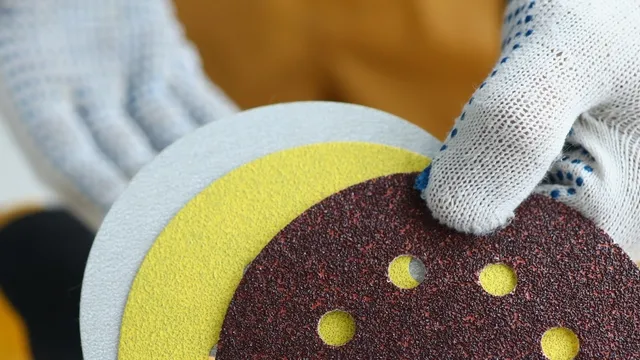
To keep your tools in good working order, it’s important to regularly check parts and quality, and your sander is no exception. Check the compressed air filter and clean the condensate in the filter. Keep an eye on the oil nebulizer and fill it with lube oil if necessary. Inspect the sander screws for looseness. If this is the case, tighten them immediately, otherwise the machine will be damaged very easily.
Cleaning and storage
It is very important to clean your equipment regularly. Disassemble and clean the compressed air filter after 300 hours of use, change the professional oil of the stepless transmission, open the oil hole, and add new oil after the oil is discharged. It may sound ironic, but it’s quite important to keep your sander dust-free and store it. Working with dirty tools is no fun, and dust and contaminants can be catastrophic for sanders in the long run. Moisture is your tool’s greatest enemy. Always keep your machines in a dry place.
Replace parts
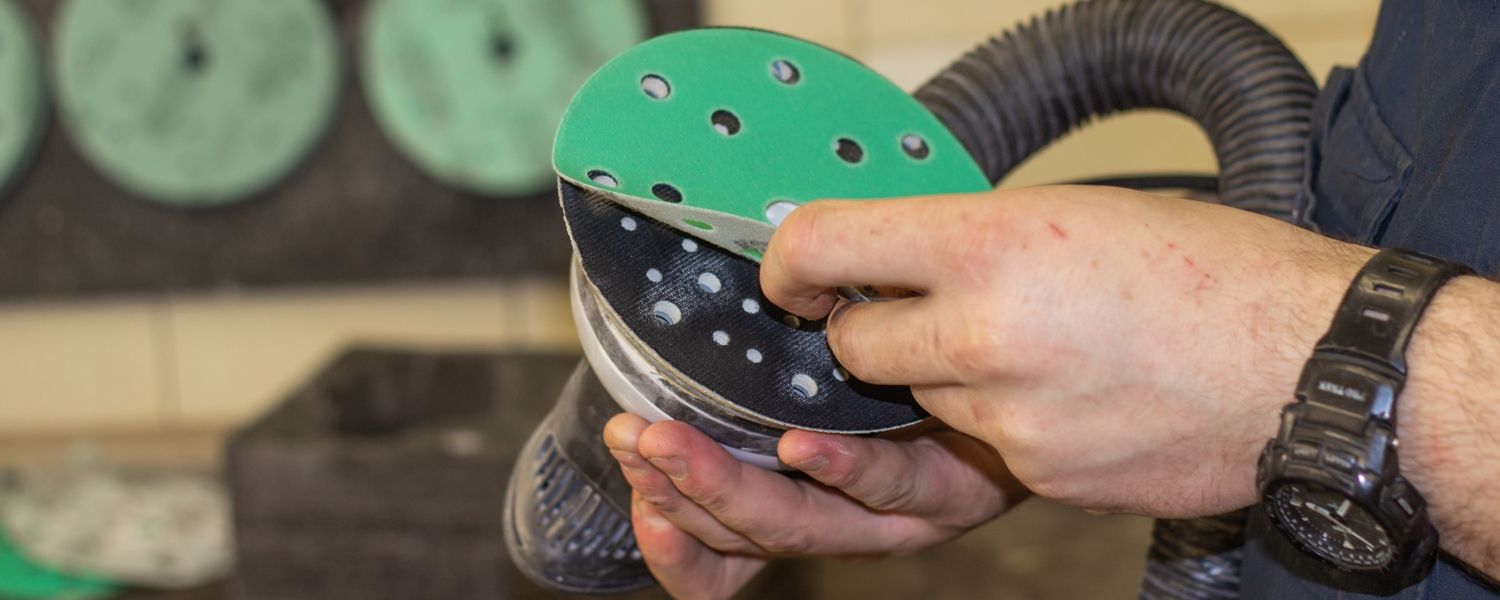
Replacing parts is a part of maintaining a sander. The sanding paper, sanding pad and handle should be replaced at regular intervals. Do not delay possible repairs, because even minor defects can make the problem worse quite easily. Working with worn or broken tools makes your work unnecessarily harder, for you and your machines.
Would you like to learn more about this topic? Read our blog post ‘Maintenance of power tools‘.