Materials
• Couplings
• Copper pipe
• Solder paste
• Solder tin
Tools
• Soldering iron
• Pipe cutter or hacksaw
• Pipe pliers
• Pipe wrench
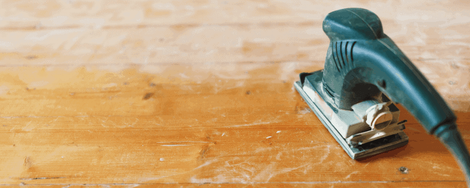
• Sanding linen *
*Sanding linen works the same as sandpaper, but the abrasive grains are glued to a surface of finely woven textile.
Soft soldering and hard soldering
The term soft soldering is used for soldering with tin, at a temperature of up to 450 degrees. Hard soldering requires a temperature between 450 and 700 degrees and the solder consists of an alloy of different metals. It is the preferred technique for gas pipes and moving parts. Because such a super-strong connection is not necessary for a water pipe, we limit ourselves here to soft soldering.
Preparation
- Determine the diameter of the pipe. For a water pipe this is usually 15 mm.
- Determine the shortest and most beautiful route for the new pipeline. With the help of pliers you can bend copper pipes in the desired shape.
- Close the main tap and open the tap at the end of the existing pipe to drain it completely.
- Cut the pipe to size with a hacksaw, even better, use a pipe cutter. This not only costs less effort, but also provides a completely straight edge.
- Remove the burrs – there is a special knife on the back of the pipe cutter – and use sanding linen to make the cutting edge on the inside and outside completely smooth and clean. Solder tin does not adhere well to a dirty or greasy surface.
Soldering a water pipe in 6 steps
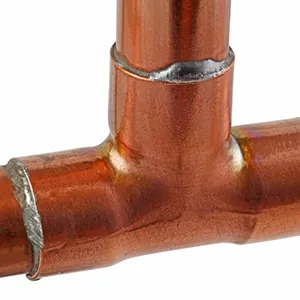
1. Apply some solder paste evenly to the ends of the pipe and the coupling and slide the parts together.
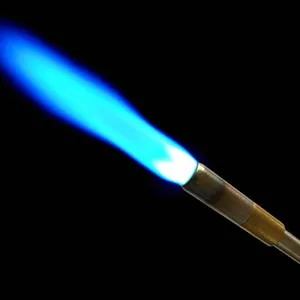
2. Adjust the flame of the soldering iron so that the inner flame cone is clearly visible. Then you have the right temperature for soldering.
3. Grasp the pipe with the pipe wrench and let the flame move evenly over the soldering spot. When the solder paste starts to evaporate, the solder spot is hot enough. The paste may not burn, because then you will get an uneven and porous solder joint. Tip: If the existing pipe is already attached to the wall, slide a piece of tin between the pipe and the wall to prevent scorching.
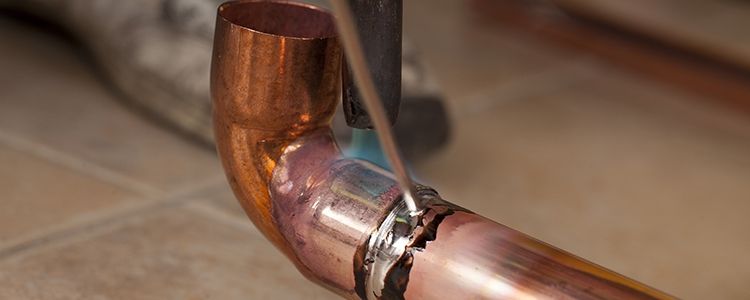
4. Hold the solder tin against the seams. Due to the heat, the tin melts immediately and flows in to make a solid, watertight connection. Do not use too much tin, there should not be any lumps on the seams. Keep the pipe still until the tin has become dull, this takes no more than a minute.
5. Use a wet cloth to wipe off the remains of solder tin and solder paste from the cooled work piece.
6. Now you can fix the new pipe to the wall with so-called saddles. Use 1 saddle per 40 cm, which prevents the pipe from rattling when you open and close the tap. Open the main tap and check for any leaks.