It may surprise you: scientific research shows that indoor air quality is often worse than outdoor air quality. Given that we spend the majority of our time indoors, indoor air pollution can pose a serious threat to our health. This article discusses the main pollutants and what you can do to improve the air quality yourself.
Health Risks of Indoor Air Pollution
Depending on the type of air pollution, there can be various adverse health impacts. Skin, eye, and throat irritation, mucus formation, headaches, dizziness, nausea, shortness of breath, and fatigue are common complaints. The elderly, children, pregnant women, and those with respiratory problems or allergies are most at risk. Long-term exposure to harmful substances can even be life-threatening. For example, inhaling tobacco smoke and asbestos fibres increases the risk of lung cancer, and carbon monoxide poisoning can lead to sudden death.
Causes of Indoor Air Pollution
– Tobacco smoke is one of the main indoor air pollutants. Even if you don’t smoke, you inhale the harmful substances.
– Carbon monoxide from poor combustion in heating and hot water installations, carbon dioxide, and nitrogen dioxide pose life-threatening risks.
– DIY and cleaning often release hazardous substances. These volatile organic compounds (VOCs) are found in paint, adhesives, and resins in cleaning and disinfecting products, insecticides, and certain building materials.
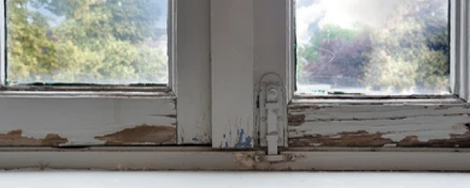
– Leaks and moisture seepage in walls can lead to mould growth, resulting in allergic reactions.
– Inhaling dust or pet dander can also trigger allergic reactions.
– Dust mites are another source of pollution. Their droppings can cause allergic reactions such as itchy, watery eyes, a runny nose, coughing, asthma attacks, and eczema.
Measures to Combat Indoor Air Pollution

– Eliminate sources of air pollution as much as possible. Avoid smoking indoors, and clean your chimney yearly to prevent carbon monoxide poisoning. Use non-irritating cleaning agents and avoid using air fresheners as they contain VOCs. Have air conditioning and ventilation systems regularly inspected and cleaned.
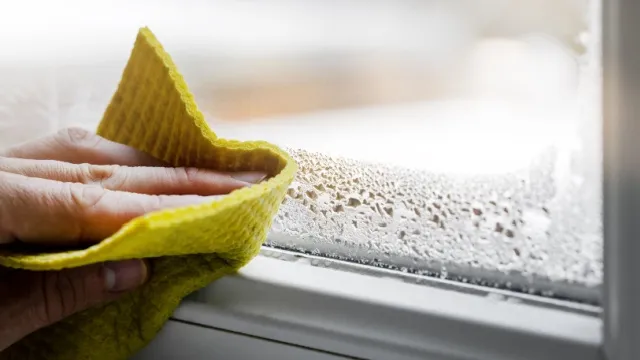
– Reduce the risk of mould growth from moisture by addressing leaks and external moisture seepage immediately. An indoor temperature of at least 15 degrees is needed to prevent condensation. Use an extractor hood as little as possible when cooking and dry laundry indoors. Never cover moisture spots by placing something in front of them; this will only worsen the problem.
– Proper ventilation is the most effective solution for several types of indoor air pollution. It’s especially crucial when you shower, cook, dry laundry, or work with pollutants, such as cleaning or painting. Ventilation should be constant. Use ventilation grilles in windows and walls or mechanical ventilation systems. The best approach is to open opposing vents or grilles so that polluted air can flow out and fresh outdoor air can flow in. If there aren’t ventilation grilles, keep windows constantly ajar. If ventilation is insufficient – too many people in one place or when the air is contaminated by paint, glue, or dust – it’s necessary to air out the space. Do this by temporarily opening doors and windows wide. For personal protection, it’s also advisable to wear a dust mask during such activities.
– Dust mites thrive in warm, dark, and damp places. Mattresses, pillows, bed linen, curtains, upholstery, and carpets are their havens. You can discourage these tiny creatures by washing bedding weekly at 60 degrees and ensuring adequate light exposure.