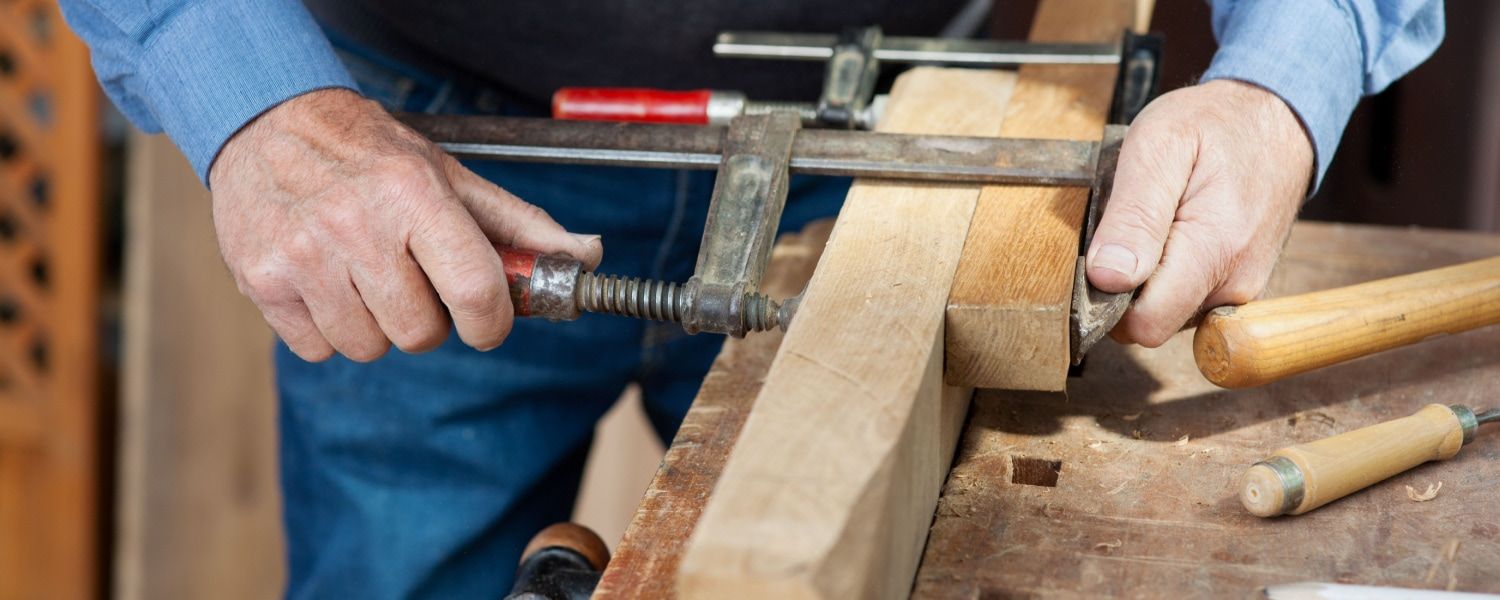
Clamps and vices keep materials in place during gluing, cutting, sanding, drilling, soldering, and other tasks. Different clamp types have various functions and are specially designed for certain applications. Read here to know which clamp is most suitable for your job.
Screw Clamp, the Traditional Glue Clamp
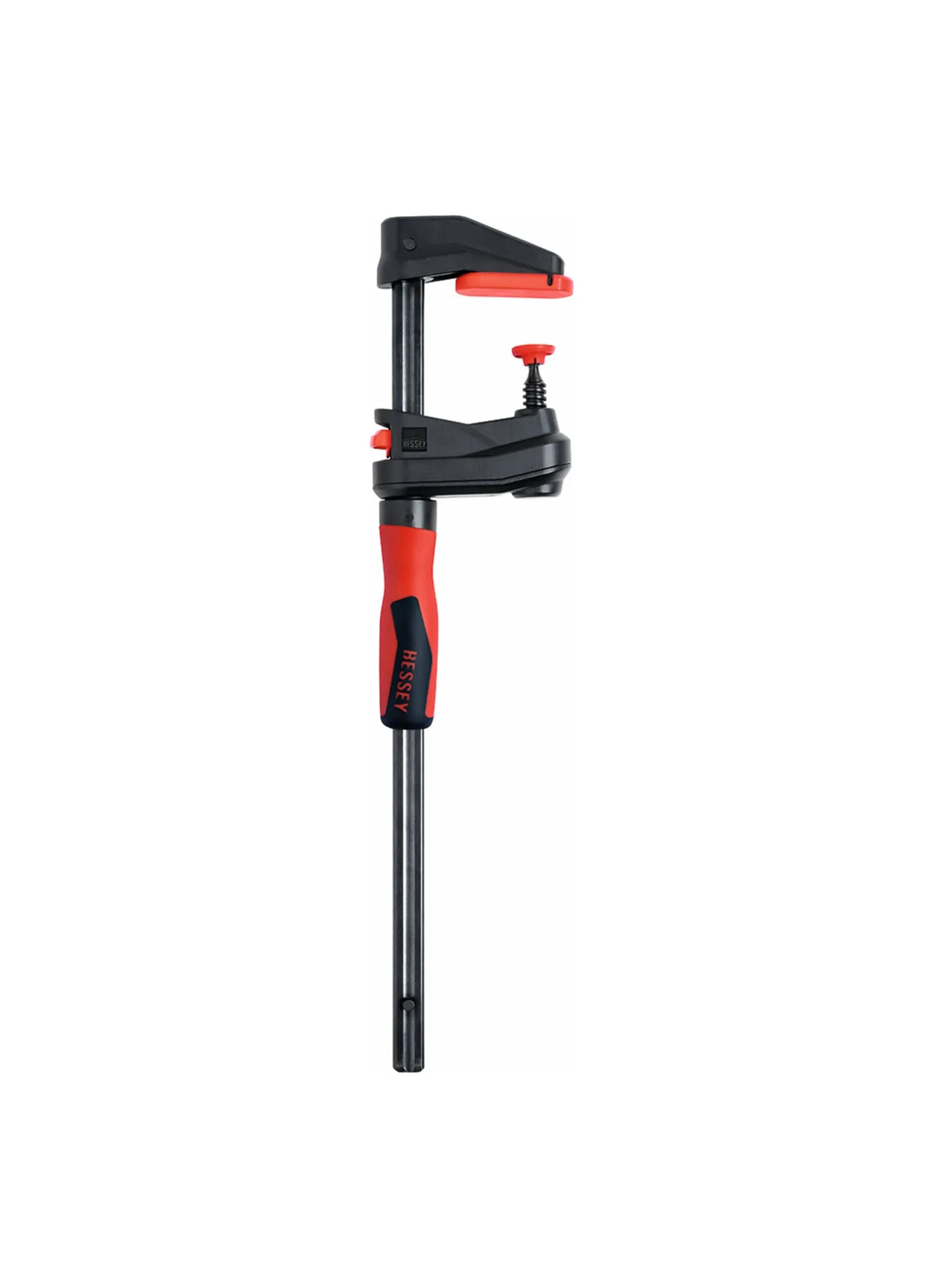
A screw clamp has two flat jaws connected by a screw mechanism. You place the materials you want to glue between the jaws and then turn the screw to exert pressure. Screw clamps provide a strong and secure grip, making them useful for applications requiring a lot of pressure or force. Besides gluing, they are also great for other jobs, such as securing a guide rail on a plate to be cut, resulting in a neat, straight cut.
Spring Clamp
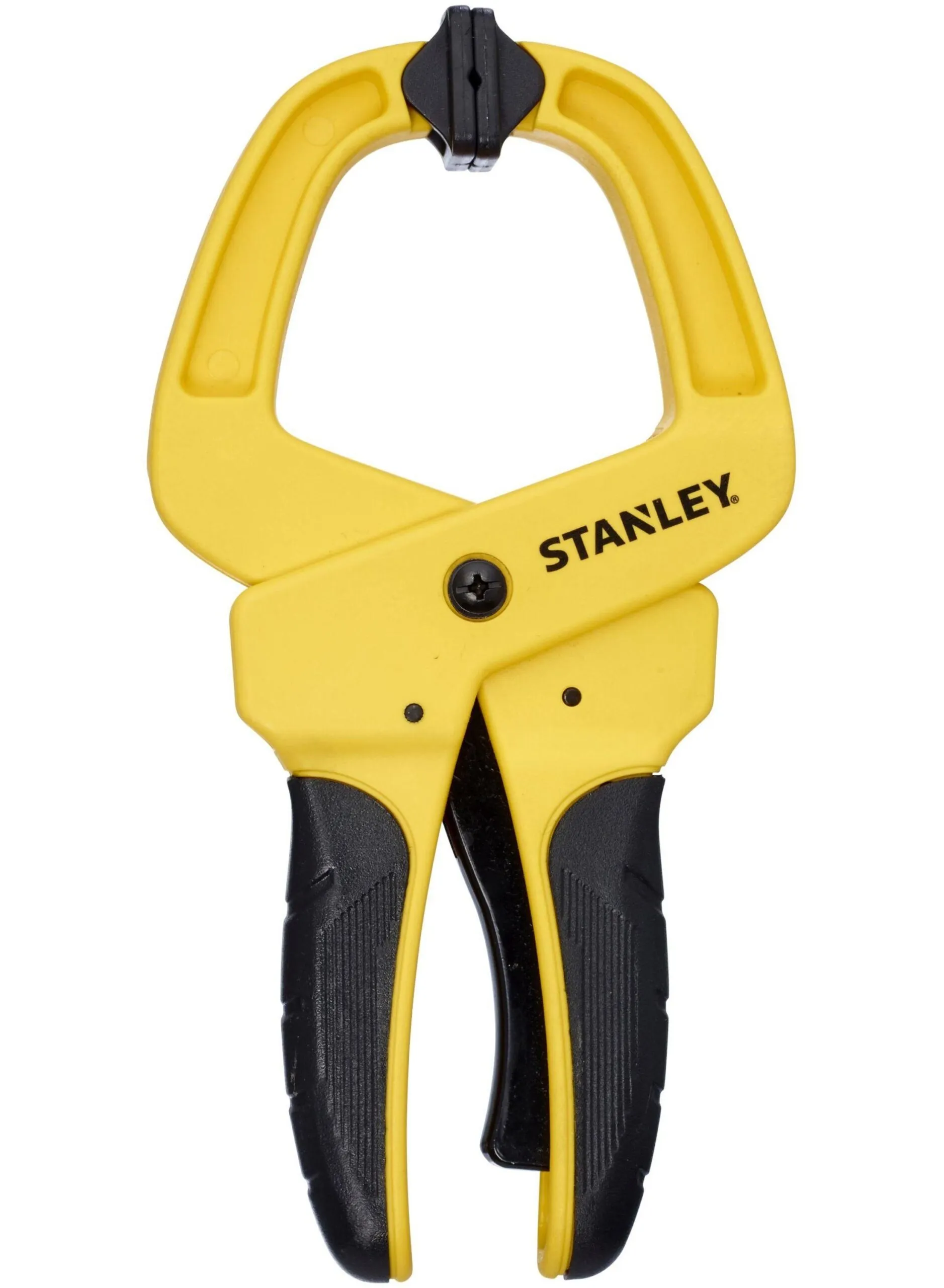
With a spring clamp, you can quickly clamp something, whether it’s bonding materials together or working with items like tent canvas, fabrics, or paper. To use the clamp, you squeeze the handles together to open the jaws and place the material in between. The spring tension then holds it firmly in place. The jaws of spring clamps are fitted with plastic caps to prevent damage to the object being clamped.
Quick-Release Clamp
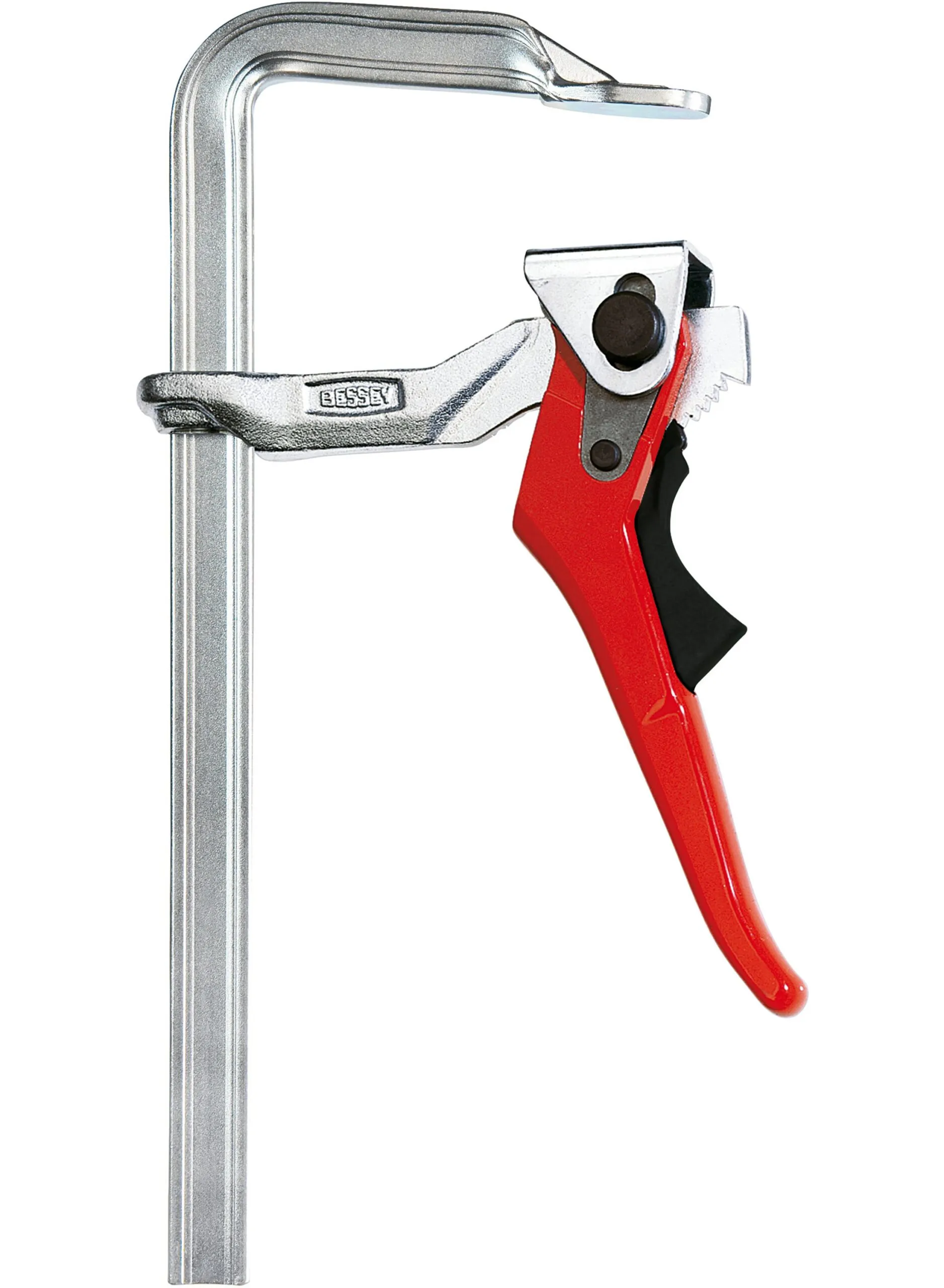
A quick-release clamp has a rapid slide adjustment, allowing you to set it to the correct size. As the name suggests, this works faster than turning the screw on a traditional glue clamp. Quick-release clamps are available in various jaw depths and lengths. The longer the clamp, the greater the possibilities for clamping different materials.
One-Hand Clamp
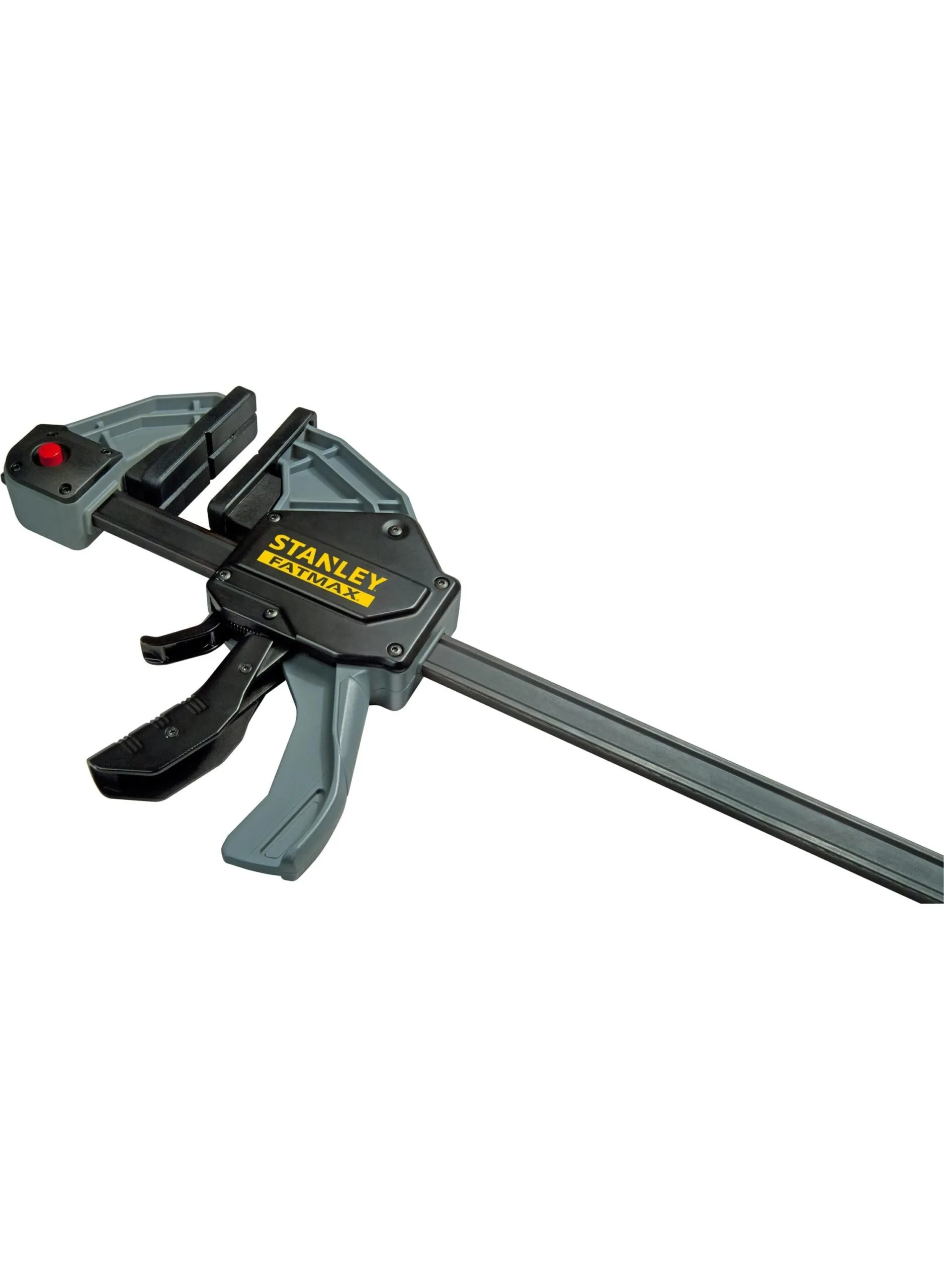
A one-hand clamp is operable with one hand, keeping the other hand free. When you squeeze the large handle, the clamps come together, and by squeezing the same hand on the small handle, you release the clamp. One-hand clamps are available in various lengths, and the clamping force can also differ. As with quick-release clamps, the longer the clamp, the greater the clamping range.
Corner Clamp
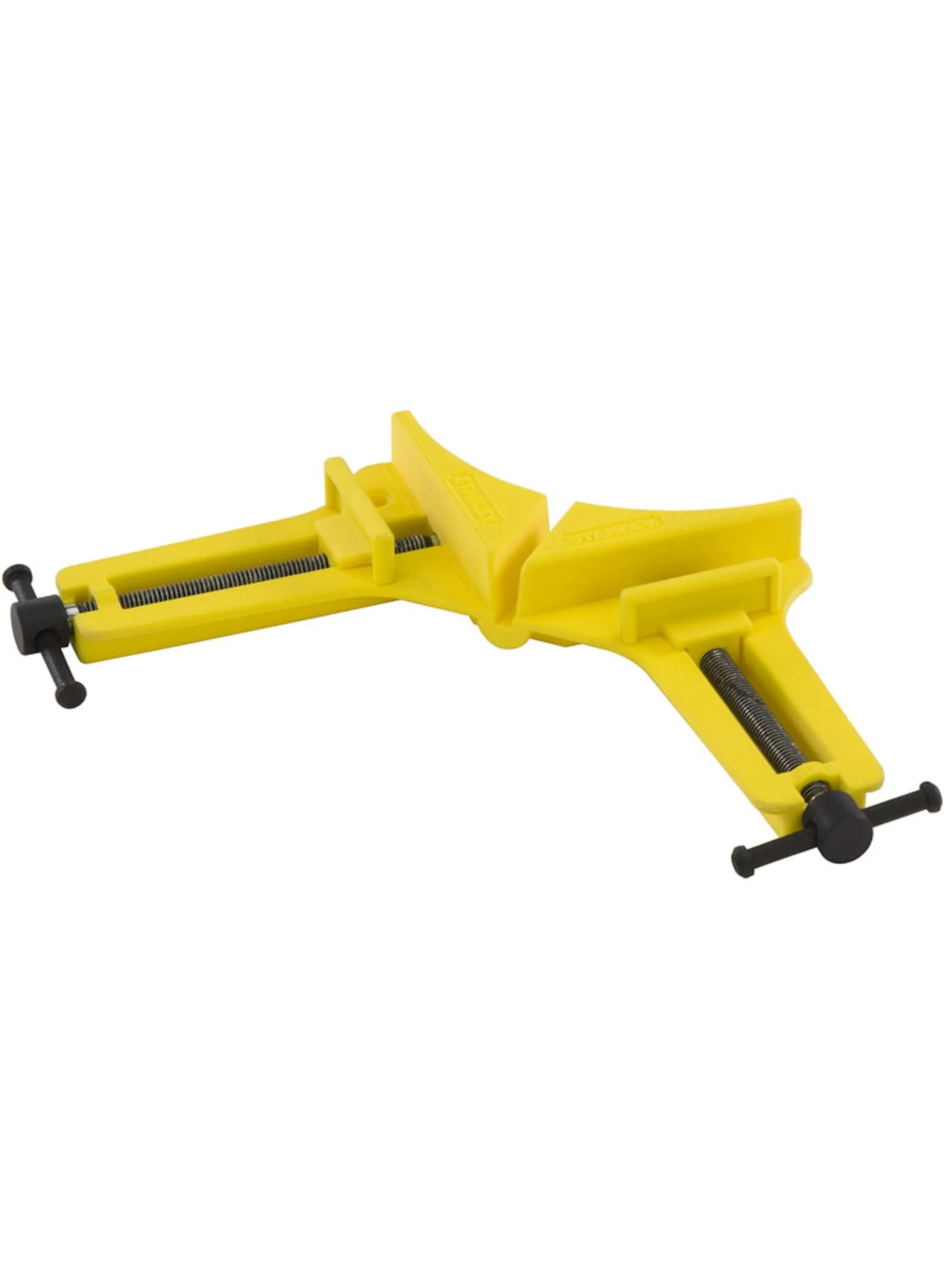
With a corner clamp, you can secure mitre-cut materials at a right angle. This clamp consists of two metal plates connected by a screw mechanism that adjusts the angle of the plates to the mitre angle. Thanks to individually adjustable tension arms, you can also clamp materials of different thicknesses together.
To use a corner clamp, place the two pieces of wood at the correct angle against each other, then place the clamp over the joint and tighten the plates to hold the pieces of wood firmly in place. With corner clamps, you can also make angled cuts in materials such as crown moulding and skirting.
Vice
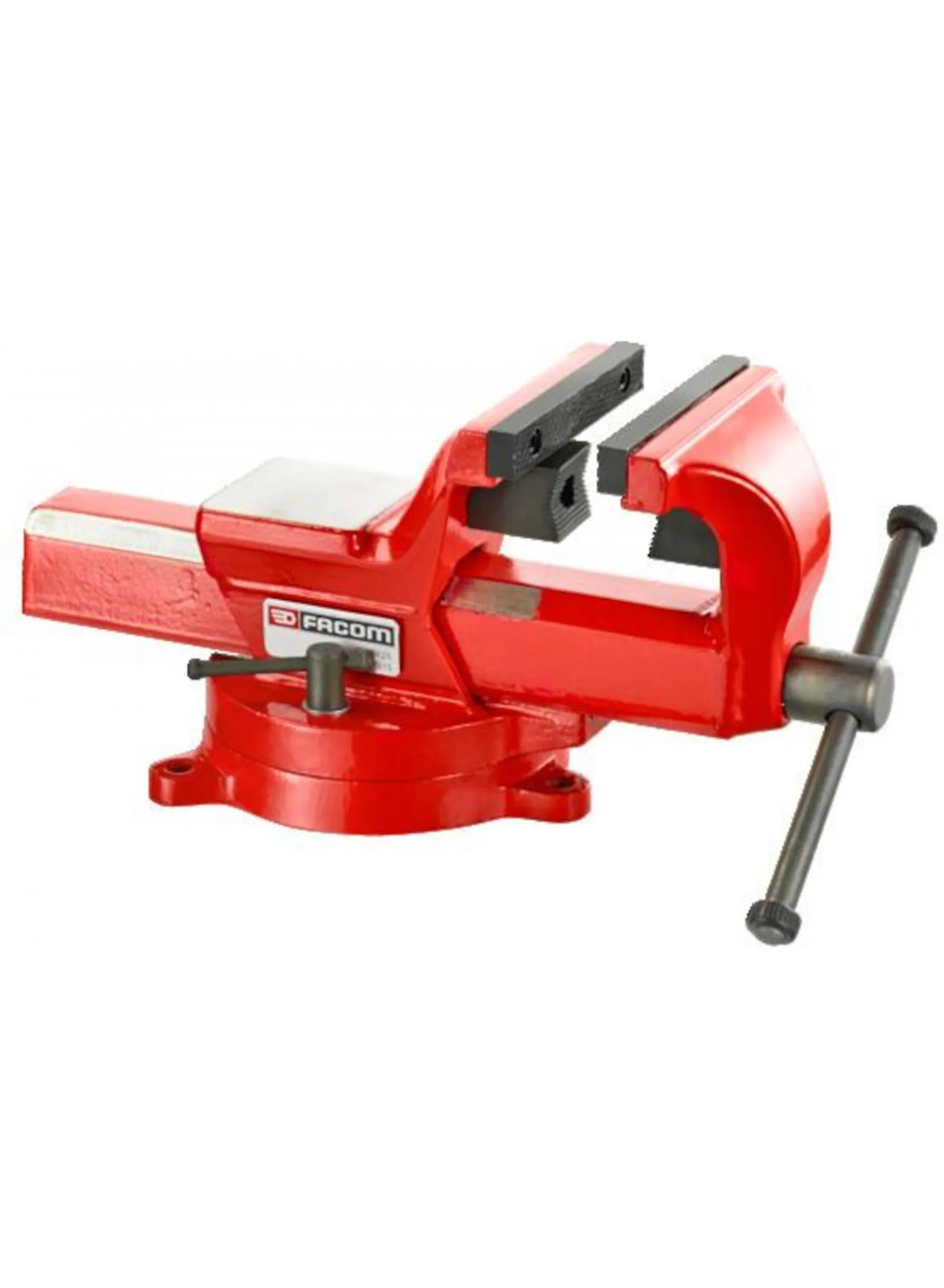
A different type of clamp is the vice, where the material isn’t clamped onto but the object itself is secured within it. As vices are mounted firmly on the workbench, they work more securely and safely than other clamps. Vices come in various sizes — from a mini vice with a clamping width of 50mm for smaller work, such as model building, to vices with a clamping width of 150mm for really heavy work. Vices are usually made of cast iron, but if you anticipate heavy-duty tasks, such as frequent hammering and bending, a hardened steel version can be an option. In addition, there are wooden vices, especially for woodworking. These have wide wooden jaws to clamp large workpieces without damaging them.