Attitude vs aptitude

Some people are born with two right hands. They have a natural way with tools and can do any DIY job like a real pro on the first try. That’s called ‘aptitude’, natural ability, or talent. Aptitude is a key factor for success in life, and yes, this also applies to working with tools. However, after thorough research, it turns out there is an even bigger contributor to success: Attitude — your ‘mindset’ when tackling challenges. Here are seven ways the principles of Zen can help you outperform yourself when doing difficult, complicated, or dangerous jobs.
- Do one thing at a time.
Don’t try to knock off a few other tasks while working at a job. As a Zen proverb says: “When walking, walk. When eating, eat.”
- Do it slowly and deliberately.
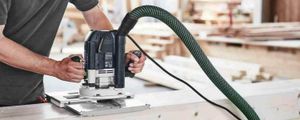
People tend to rush through their tasks, even if they do one at a time. Instead, take your time, and move slowly. Make your actions deliberate; focus on every single action. This is also the right attitude to prevent accidents when working with power tools.
- Do it completely
Put your mind completely on the job at hand. Don’t move on to the next one until you’re finished. If, for some reason, you have no choice but to move on to something else, at least put away the unfinished work and clean up. This way, you can focus more completely on the next job.
- Do less
We’re not suggesting you should be lazy, but try not to stress yourself out with unending task lists. Today you are going to do certain things and no more. If you fill your day with jobs, you will be rushing from one thing to the next without stopping to think about what you do. And it’s a good idea to put some space between jobs.

- Develop rituals
Zen monks have rituals for almost anything, from eating and cleaning to meditation. Ritual gives something a sense of importance and can help you to get into the right frame of mind. It’s an effective way to prepare for any job. Check your tools, clean up the working bench, wipe the dust from your safety glasses, empty the vacuum cleaner bag… Anything you want, really.
- Think about what is necessary
Zen monks have few possessions: basic clothing, basic shelter, basic utensils, and basic food, that’s about it. The relevance for you? A large collection of sophisticated tools (some of which you may hardly use) doesn’t make you a better handyman. Instead, invest in the quality of the tools that you use most frequently.
- Smile