Wood is the material of choice for various applications and is preferred by professionals and DIYers. What should you pay attention to when buying wood, and what different types of wood can you use?
Texture
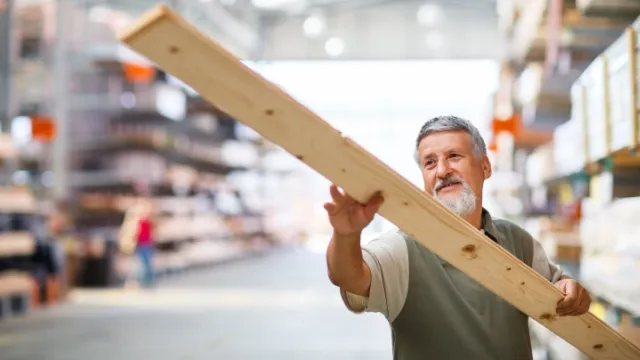
The texture of the wood can differ depending on the type of wood you wish to use. Some types of wood are harder than others, like hardwood and softwood. However, the difference between hardwood and softwood is not in the hardness but in where each type of wood originates. So hardwood does not always have to be hard, and softwood does not always have to be soft.
Technical characteristics of wood
First and foremost, wood is a natural product and can vary significantly from one another. Does your upcoming project involve wood? Then it can help to be well informed about the different properties. A crucial fact to consider when buying wood for a job is whether or not the wood splits. The structure and origin of the wood are important in this.
For instance, before buying wood, be well-informed on how it behaves under varying humidity. Softer wood works more than hardwood. It is also important to determine which wood can be worked well and with which materials.
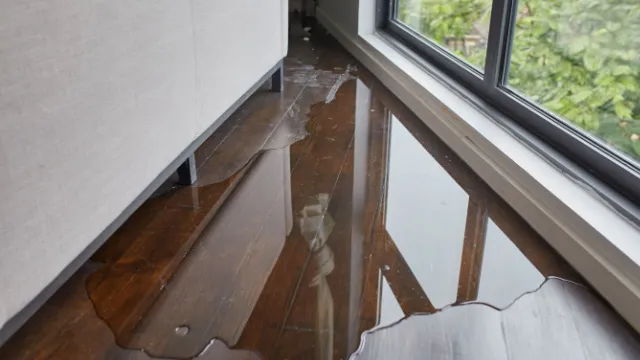
Wood is a natural product and always adapts to its natural environment. Increasing or decreasing the moisture content in wood causes changes that cause wood to shrink or expand. Think of a parcel or laminate floor that will expand in case of leaks.
The difference in moisture content can cause superficial cracks or fissures in wood. The size of the cracks depends on the durability class and treatment of the wood species. Wood species such as larch, Douglas fir, pine and oak, in particular, show natural cracks in dry and warm weather. In humid weather, these close up again naturally.
In round timber, too, tensions arise from the action of wood, which can cause longitudinal cracks and fissures. Cracks on the ends (end cracks) of boards or posts also occur in hardwood. However, common cracks, fissures and end cracks caused by wood action say nothing about the quality of the wood species.
Sustainable
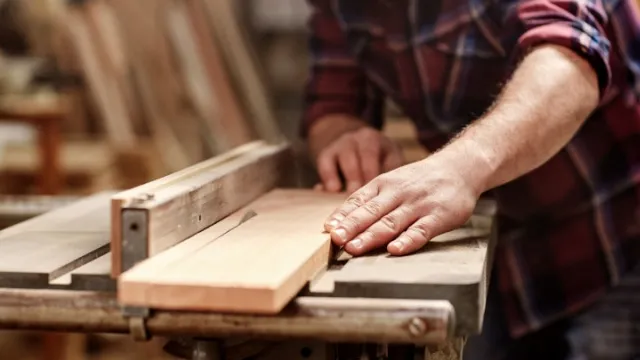
When buying wood, another factor to consider is its production. After all, sustainably produced wood has a hallmark. Worldwide, two international labels make sustainable forest management demonstrable and transparent. These are FSC and PEFC.