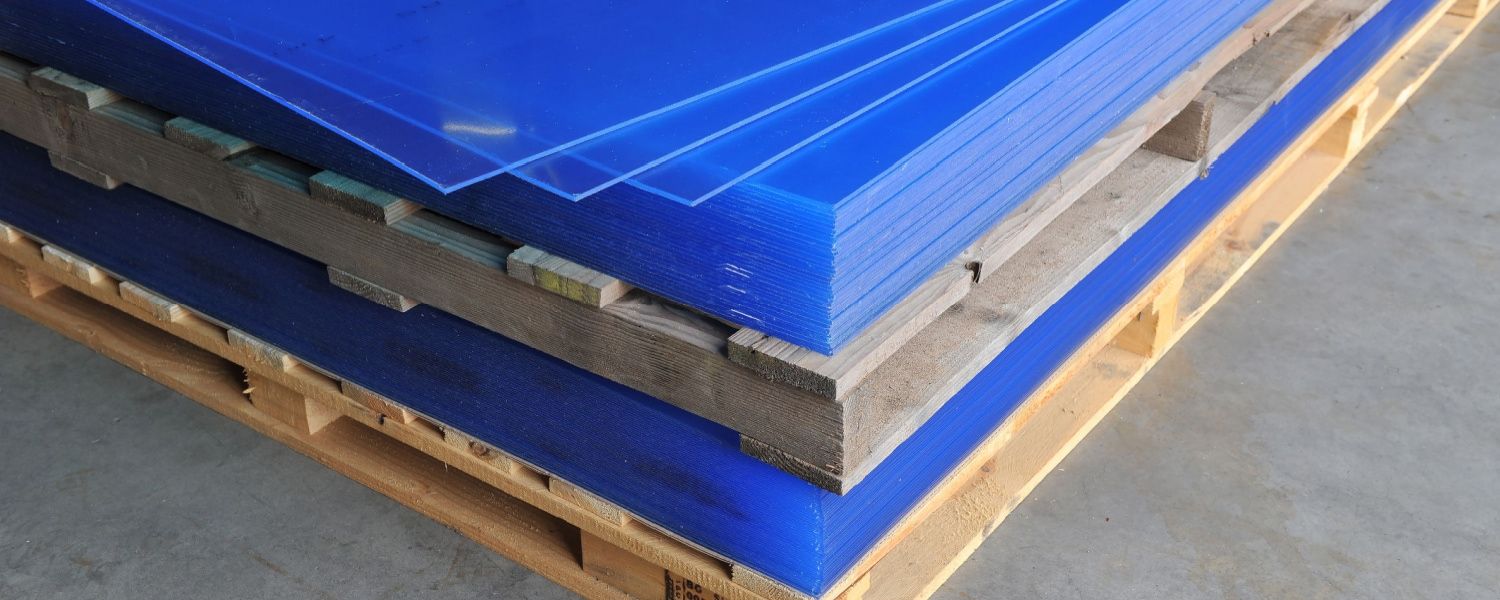
Plexiglass is often a good alternative to glass. It is 25 times stronger and half as heavy as glass of the same thickness. Additionally, plexiglass is easy to work with and versatile in application, making it an interesting material for DIY enthusiasts.
What can you do with plexiglass?
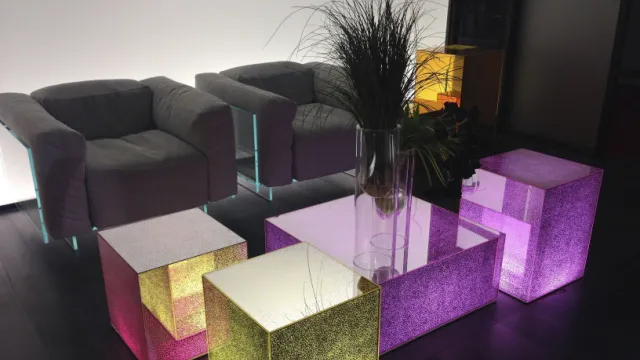
Plexiglass can be cut into any desired shape. This makes the material useful for a variety of applications at home. Plexiglass sheets can serve as partition walls, doors, or cabinet panels. The transparency of the plexiglass creates a sense of space. Plexiglass also inspires making furniture. Tabletops, shelves, cabinet walls… the possibilities are endless. And it’s also available in various colors and finishes, making it suitable for every interior style. For hobbyists, plexiglass is a decorative material for photo frames, lampshades, nameplates, and much more.
Choosing the right type of plexiglass for cutting
Before you start working with plexiglass, it’s important to know that there are two types: cast and extruded plexiglass. The difference lies in the production process. Cast plexiglass is poured over a flat plate and then hardened. This ensures that the material contains little tension and is easy to work with.
Extruded plexiglass is rolled to achieve the correct thickness. This creates more internal tension, making the sheet more likely to break or crack during cutting. For DIY enthusiasts, cast plexiglass is, therefore, the best choice. It’s more expensive than extruded plexiglass, but it’s easier to work with and less likely to crack or splinter.
Preparation
Do not remove the protective film; leave it on when cutting. This helps prevent damage. The cutting line can be best marked on painter’s tape that you stick on the plexiglass sheet. When using extruded plexiglass, it’s wise to score the cutting line in the plexiglass with a Stanley knife and a ruler to reduce the risk of breaking and splintering.
Cutting plexiglass with a circular saw
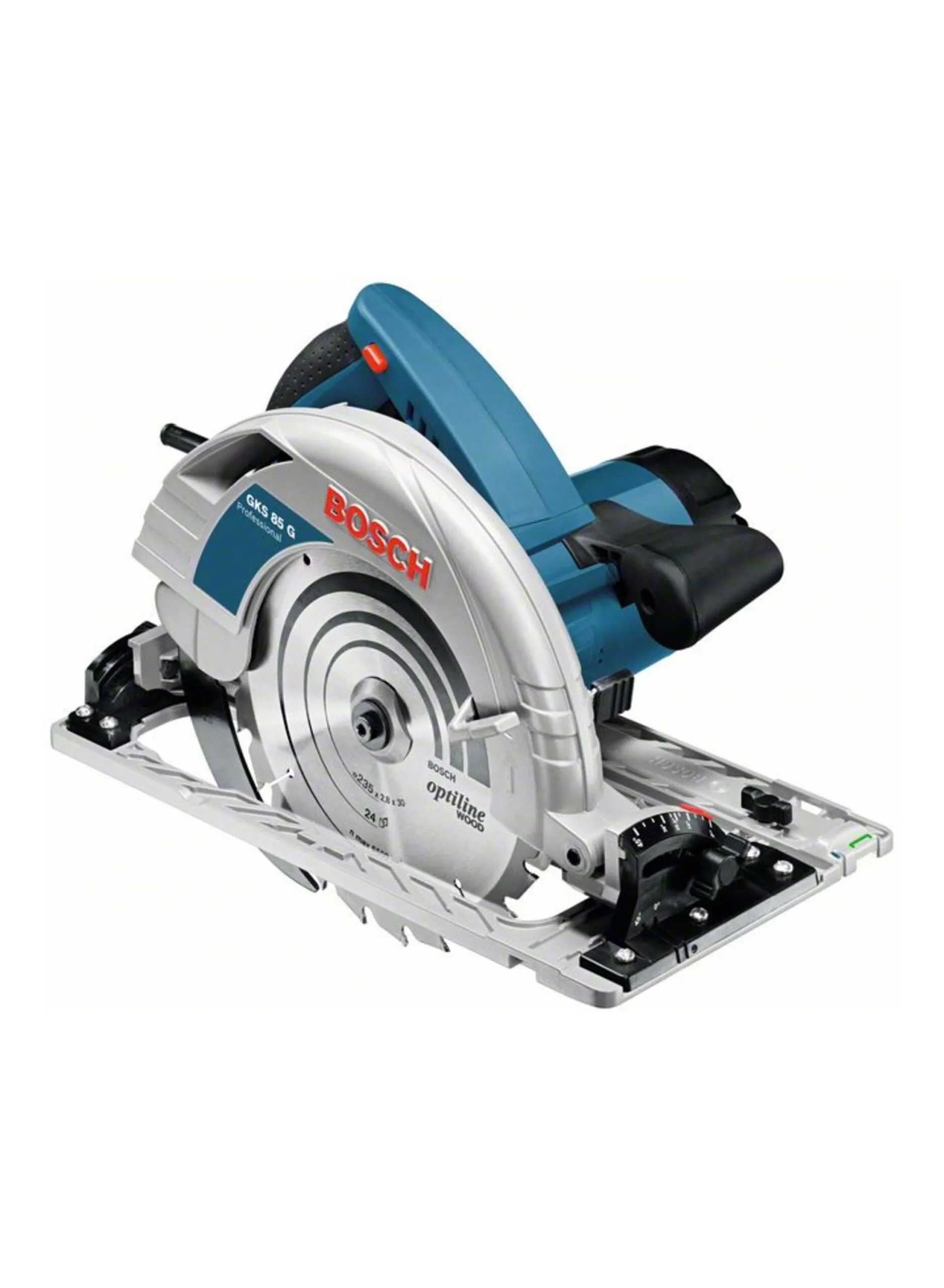
Clamp the sheet with glue clamps onto a table or workbench and ensure that the surface is flat and that the sheet is parallel to the table. When cutting larger surfaces, it’s important that the sheet doesn’t bend beside the saw table. Use a fine-toothed saw blade and move the saw slowly and evenly over the cutting line. We don’t recommend using speed, especially with thin sheets. With thicker sheets (from 10 millimeters), you can increase the speed slightly. And always wear safety goggles when cutting plexiglass to prevent splinters in your eyes.
Cutting plexiglass with a jigsaw
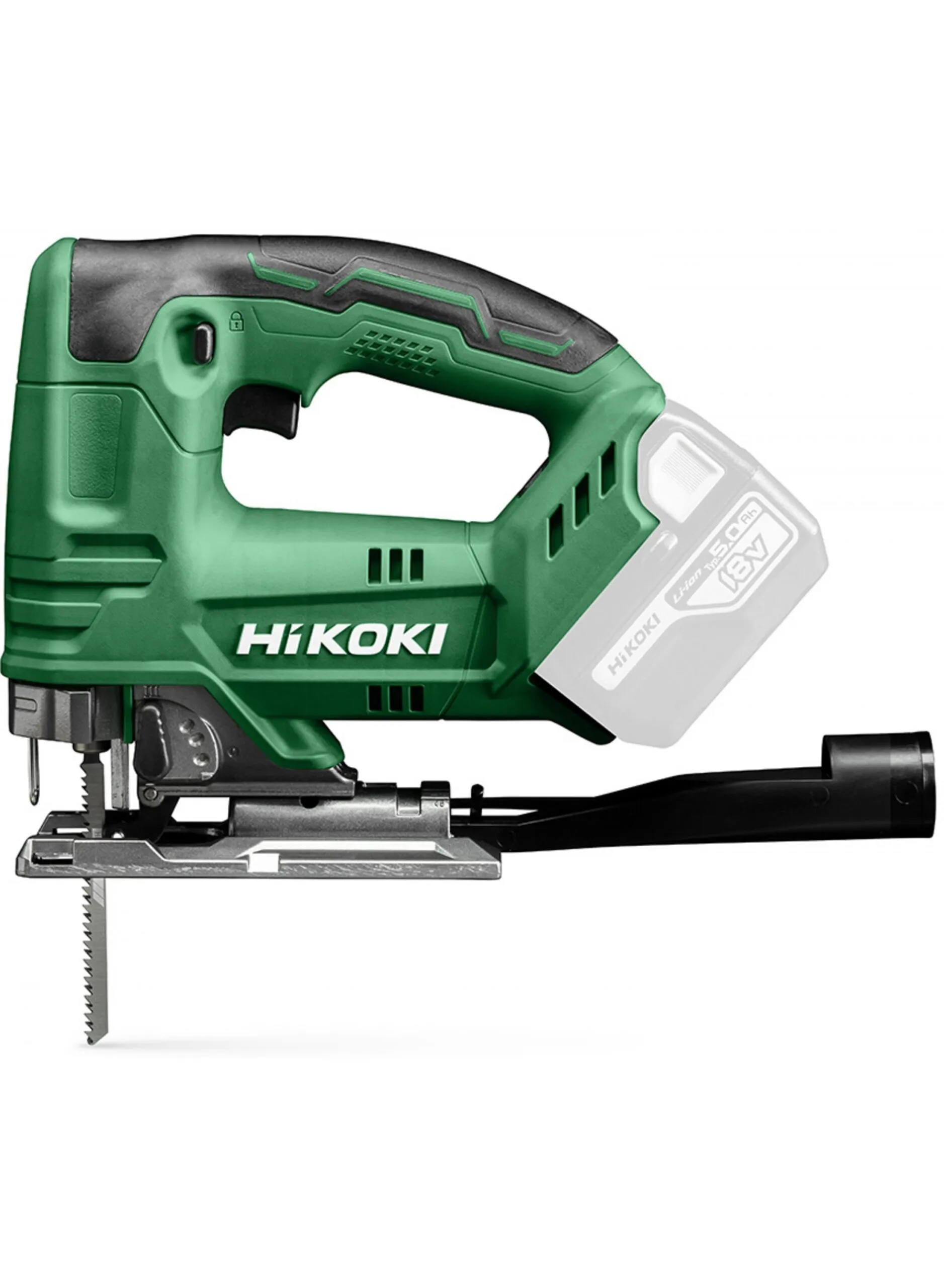
Cutting plexiglass with a jigsaw is only recommended for cast plexiglass. For extruded plexiglass, the risk of cracking and breaking is too high. Use a fine-toothed saw blade, for example, for metal. Slightly scoring the cutting line on both sides with a sharp knife helps to prevent breaking. Good support of the sheet is even more crucial than with circular saws. The sheet should be supported as close to the cutting line as possible, preferably at a distance of less than 2 centimeters. When starting the cut, the saw should be up to speed. Medium speed is best for cutting plexiglass with a jigsaw.
Cutting plexiglass with a handsaw
Thin plexiglass sheets or short pieces can also be sawed by hand, but this is quite difficult, and there’s a good chance the cutting line won’t be perfectly straight. If you still want to cut plexiglass with a handsaw, use a hacksaw, as it has a fine tooth.