In life, circumstances change constantly, and different life stages bring new needs and challenges. This is also true for our gardens. Perhaps children enter your life and need space to play. Or, as we get older, we might want a garden that requires less maintenance. Maybe we’re simply tired of our current garden and want something completely different.
The Starting Point: Create a Garden Plan
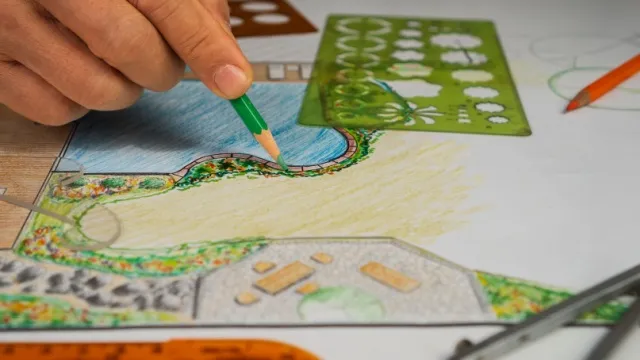
A new garden starts with a good design. List your family’s needs, get inspired by examples, and let your ideas grow. Once everyone is on board, it’s time to sketch out your garden design. It’s best to do this on a large sheet of paper where you can draw the space to scale. Start with fixed elements such as the house, driveway, and other existing structures. Consider which elements you want to keep and which materials you’d like to reuse. For example, a tree that has taken decades to grow large and beautiful isn’t something to remove lightly. Similarly, those weathered old garden path stones could enrich your new design.
Getting to Work
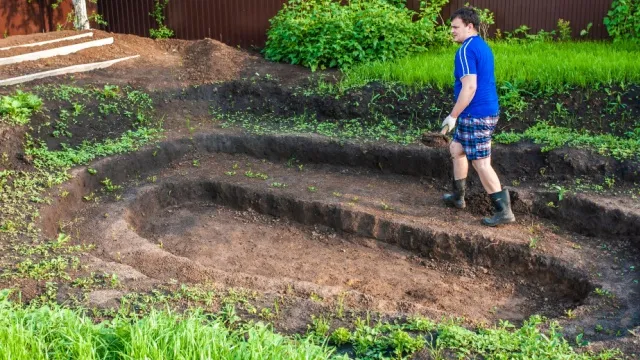
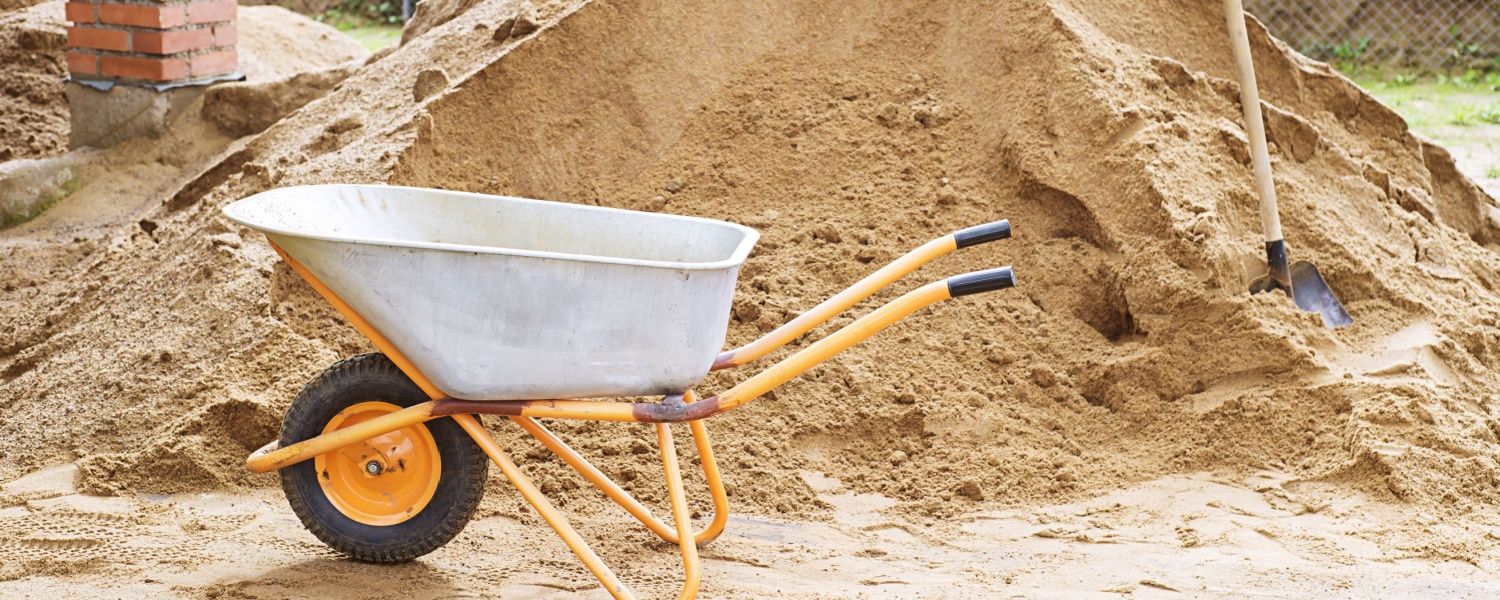
The first step toward a new garden is clearing out the old one. Once you’ve removed the plants and paving, it’s best to dig out the soil to about 50 cm deep. You can then fill the space with fresh garden soil for the plants and sand for the terraces and paving. At this stage, you also have the chance to prevent future water issues by ensuring proper drainage. You can read more about how to do this in Installing Drainage in Your Garden.
When executing your garden design, start with the “hard” materials like terraces, paths, border edges, and fences. If you want to add extra ambiance and life to your new garden with a pond, now is the time to dig and install it.
Planting
Once the hard elements are in place, you can move on to arguably the most enjoyable phase of your garden renovation: planting your favourite plants, shrubs, and trees. While you’re free to choose, there are a few things to consider. It’s best to select plants suited to your garden’s location. Pay attention to how much sunlight, shade, and wind exposure different areas of the garden receive. Also, consider using native plants, as they are better adapted to the local environment and require less maintenance. The soil in your garden also plays a role. You can have the soil tested to determine whether it’s suitable for the plants you have in mind.
The Finishing Touch
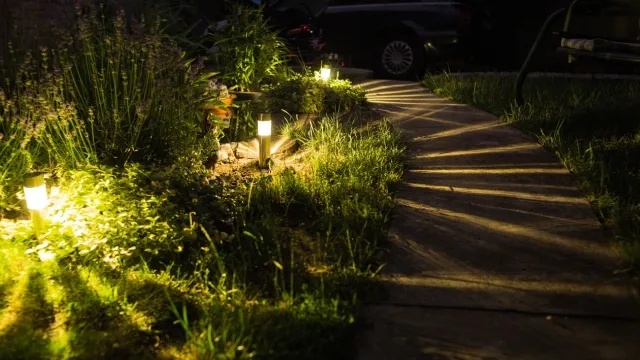
Whatever your new garden looks like and whatever functions you’ve chosen, you can enhance the atmosphere and increase usability with garden lighting. Well-chosen lighting can transform your garden into a magical space at night. The options will challenge your creativity: illuminate paths or highlight special trees and plants, and bathe your terrace in a soft, warm light to enjoy those beautiful summer evenings. Besides adding atmosphere, lighting also provides extra security around your garden. Speaking of summer evenings: with patio heaters, you can enjoy the outdoor life from early spring to late autumn.