The lawn
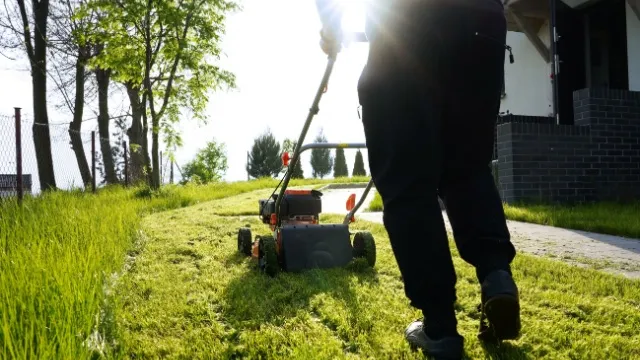
Depending on the weather, mowing the grass 1 to 2 times a week this month is crucial. During dry periods, it is better to mow less often and not to set the cutting height of your lawn mower too short. Four to five centimetres is best. Wait until the evening before mowing to prevent dehydration on warm and dry days.
You will now also have to spray the turf regularly. You can hardly give an existing lawn too much water, but too often is possible. It is better to put the sprinkler on once for two hours than four times for half an hour because the soil must be thoroughly wet, down to the roots.
Because the grass grows so fast in June, it needs nutrients, so fertilizing is also on the calendar this month. After you have fertilized the lawn, spray immediately because the fertilizers must be dissolved before the sun shines on them. Bare spots in the lawn can be sown or filled with sod for a quick result.
Planting and sowing
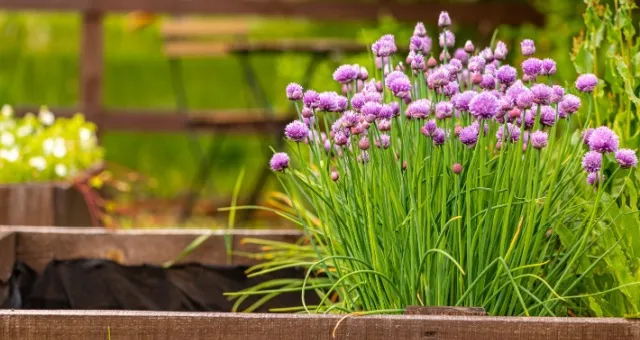
You can sow all annuals and biennials during June. So, if you were unable to plant roses or shrubs in the fall, you can do so now. Roses planted in June will bloom later in the summer. And you can sow all kinds of herbs in the vegetable garden. Parsley, cutting celery, chives, chervil and annual savoury will come up quickly and be harvestable soon.
Tip: Put your indoor plants outside for an hour on a rainy day. It is not too cold, and the plants freshen up nicely.
Weeds and pests
Weeding becomes a weekly job in June. Make sure you pull the weeds out of the ground, roots and all — best when the ground is dry.
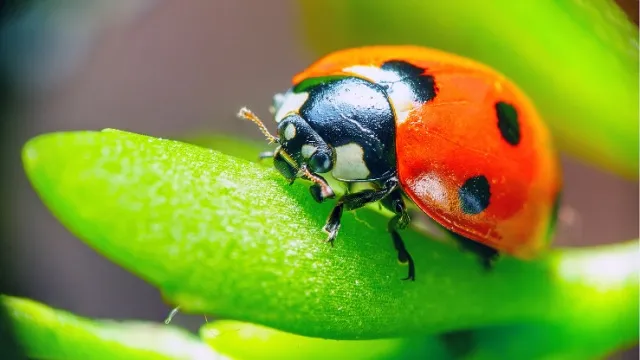
Check your plants regularly for aphids. Roses, especially, and crops in the vegetable garden are easily affected by aphids at this time of year. Before reaching for pesticides, try to spray the lice away with a strong jet of water. Another environmentally friendly way is to leave the work to the natural enemies of lice — ladybugs. You can attract them by planting trees they love, such as hawthorn, linden and hazel.
Pruning and cutting
Around June 21 — the longest day of the year — many plants have a short growth spurt. This also applies to hedge plants, especially deciduous species. If you prune them now, they will recover quickly and produce lots of young shoots. You can also prune yew hedges this month. Unlike most conifers, you can prune yew back to the bare branch.
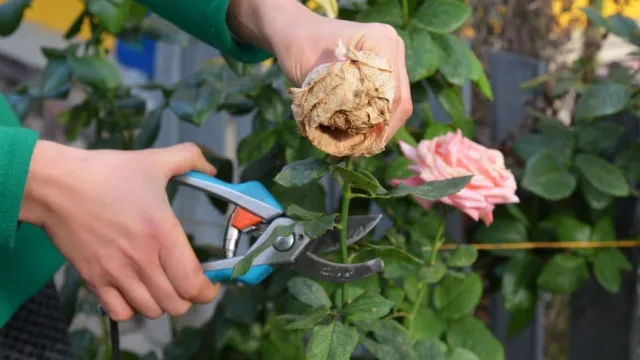
Cut faded flowers to ensure that the plant does not invest its energy in seed formation but in forming new flowers. Various perennials can be encouraged to bloom again if you cut them short after they have finished flowering. Cut faded roses above the first five leaves (a leaf with five petals) to allow a new flowering shoot to grow out of it. This does not happen with a leaf with three leaf segments.
Finally, do not prune in full sun or during a heat wave. Instead, wait for a more changeable period.