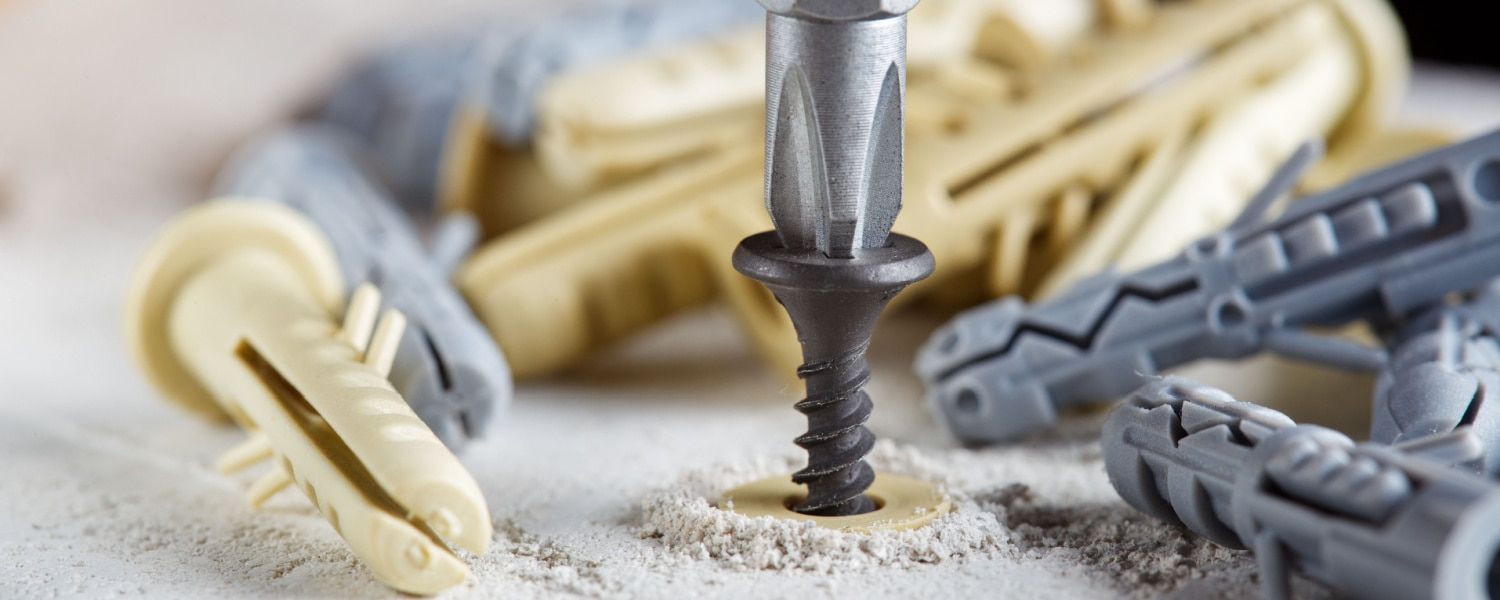
Both the drill-screwdriver and the impact driver excel in drilling and screwing tasks. So what sets them apart, and which activities are best suited for each machine?
Different Operating Principles
The main difference between an impact driver and a drill screwdriver is the driving force. The driving force for drill screwdrivers is provided by the motor, while an impact driver is driven by a hammer mechanism. The advantage of this is that it demands little from the battery. The load is minimal, and thus, you can work longer with an impact driver. Moreover, an impact driver is a lot less heavy — less strain on the wrists.
What’s Best Done with a Drill-Screwdriver?
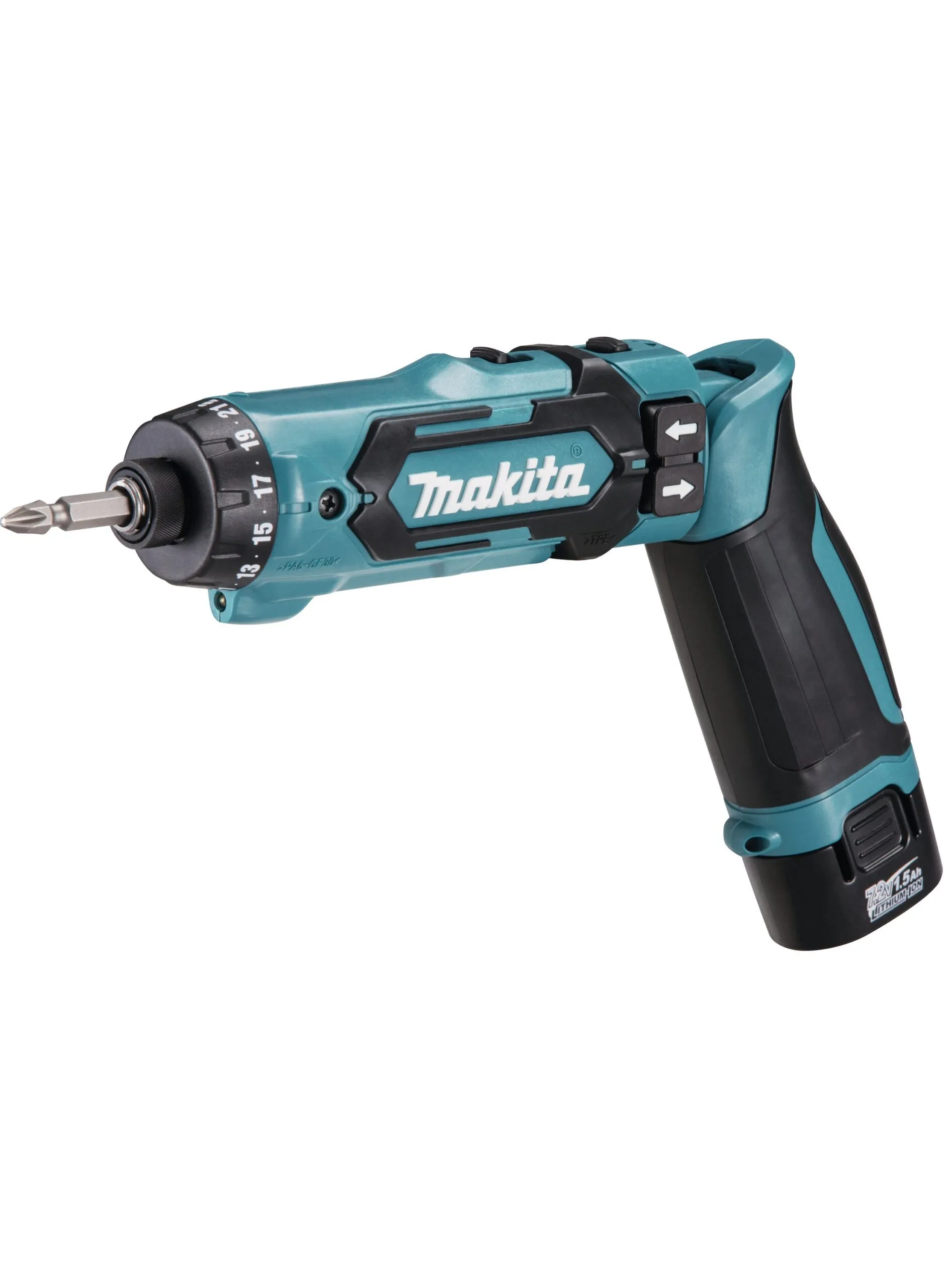
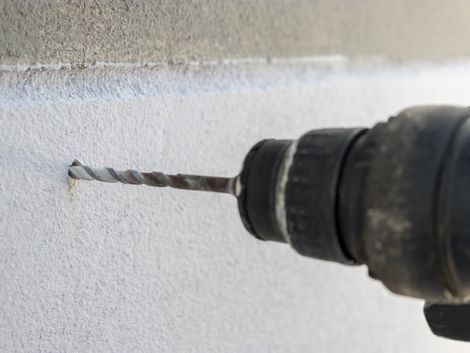
Drill screwdrivers usually come with a keyless chuck. You can click various accessories into this, such as drill bits, bits, a hole saw, etc., making these machines suitable for various tasks. The clutch prevents you from driving screws too deep into the material, making the screw machine ideal for precise tasks and screwing into delicate materials. Due to its versatile use, a drill-screwdriver is the best choice for the DIYer who doesn’t frequently deal with screw-driving tasks.
What is an Impact Driver Better Suited For?
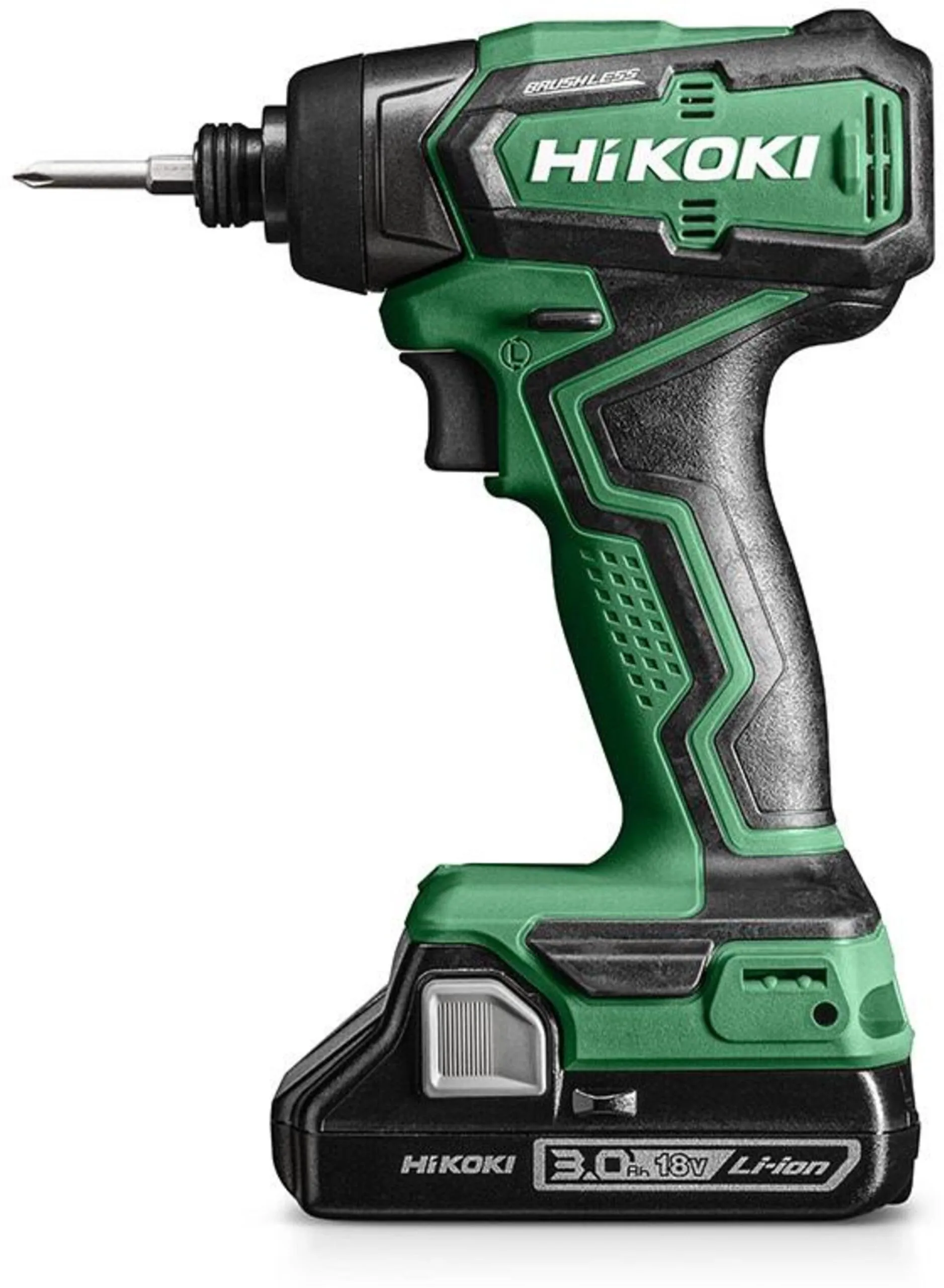
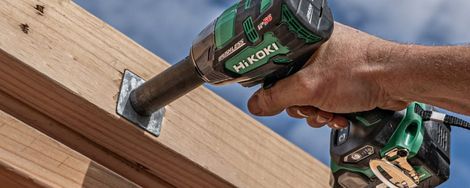
Because the force is delivered by a hammer mechanism instead of the motor, an impact driver requires little power from the battery. That makes the machine better suited for large screws and batch work. Impact drivers do not have a clutch, so be careful not to drive the screws in too far when working with delicate materials.
Impact drivers are light — unlike drill screwdrivers — and require no strength to hold. This allows you to work easily in difficult positions. Thanks to the higher speed, an impact driver is the best machine for self-tapping screws or parkers. For drilling, it is less flexible than a drill-screwdriver. The drill bits must be small enough not to trigger the hammer mechanism. Cylindrical wood drill bits up to 10 mm, and metal drill bits up to 6 mm can be used. With other drills or larger diameters, you quickly run the risk of inaccurate work and rapidly wearing out drills.