What to look for when buying a drilling machine
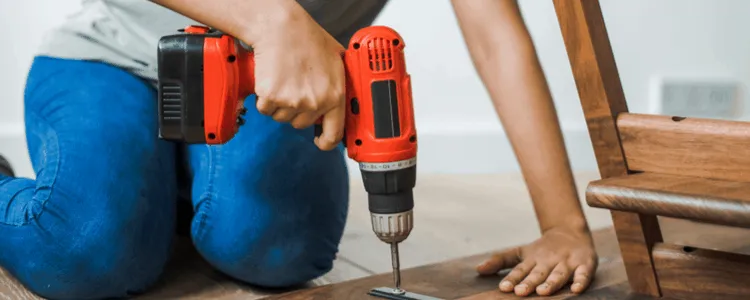
The question ‘what is the best drill for me’ is easy to answer: the machine that does what you want it to. Professionals and serious handymen place different demands on their machines than occasional do-it-yourselfers. In our article Choose the drilling machine that suits you, we list several requirements for each category to help you make the best choice.
When you are looking for a new drill, the first option that comes to mind is a cordless drill. With today’s light and strong Li-ion batteries, professionals also opt for the freedom of cordless work. Here you will find some advice, especially on buying a cordless drill. This way, you can choose the perfect cordless drill for your purpose for the best price.
Working with a drill

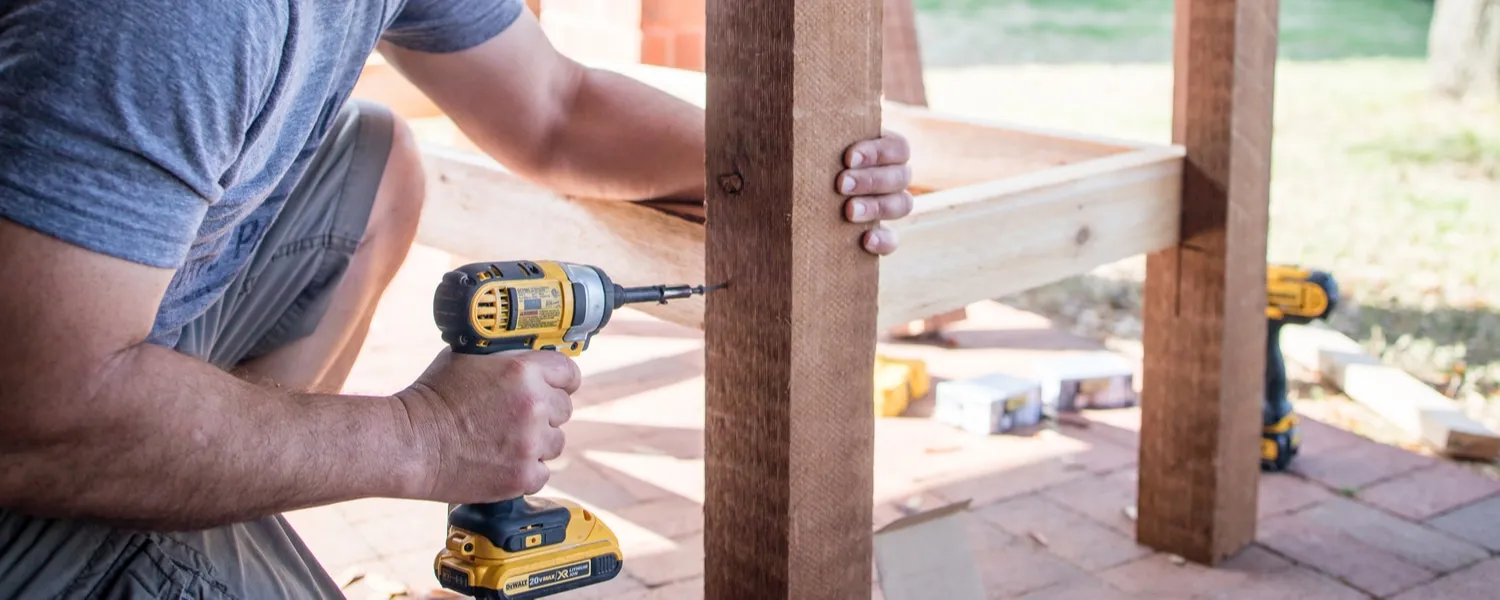
Working efficiently and safely with a drill starts with setting up the machine for the job you are tackling. In setting up your drill machine, we explain what different buttons and sliders are for and how to adjust the speed and torque. For example, the right speed depends on things like the material you’re drilling in and the diameter of the drill bit. We elaborate further on this topic in Drilling at the right speed.
As every professional and experienced do-it-yourselfer knows, different types of stone and materials require the right drill bit and the correct drilling technique. In this article, you will find practical tips for drilling in various materials.
Drilling in ceramic tiles
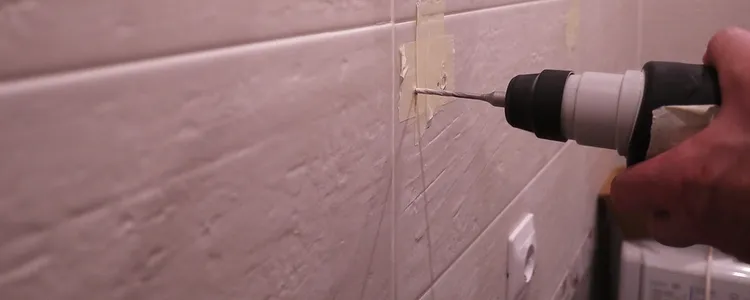
Bathroom tiles are not the easiest material to drill. The risk of scratches or cracks is certainly not imaginary. Read here how professionals tackle this job. One of the tricks is to start slowly and increase the speed slowly.
Drilling through cinder block walls
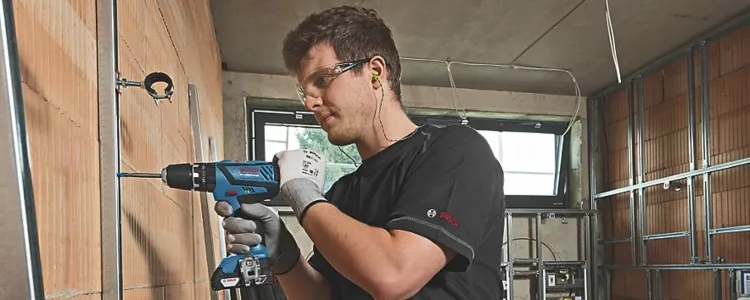
Cinder blocks are widely used for cavity walls and interior walls. They are large, perforated bricks, which are masoned or glued. The holes make the stones light in weight and well insulating, but they also require a special drilling technique and the corre plugs to fix something to the wall.
Drilling in concrete and natural stone
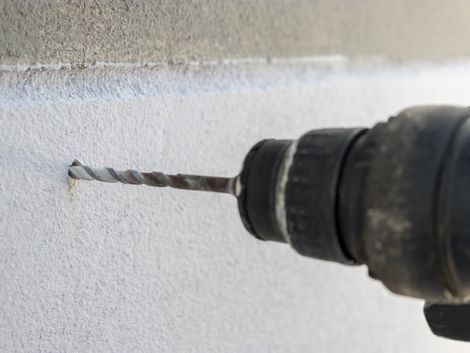
For drilling in concrete and hard stone, you have to use the right drill bits and machine. A simple screw-drill machine is not suitable for this, and you need an impact drill or, even better, a hammer drill. Learn more about these two powerhouses, how they work and what are the best ways to use them.
Drilling in wood
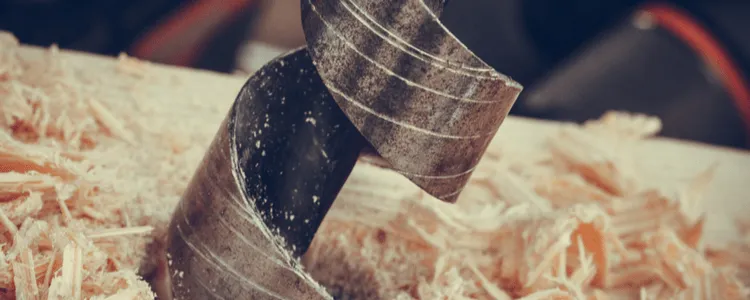
Wood is the easiest material to drill into, although you have to watch out for splinters. With a standard wood drill bit set (usually seven drills from 3 to 10 mm), you are prepared for the most common jobs. If you want more professional options, you can expand this equipment with a snake drill, speed drill, countersink, and a hole saw. In The right wood drill for every job, we explain what the different wood drills are for and how to use them.
Drilling in metal
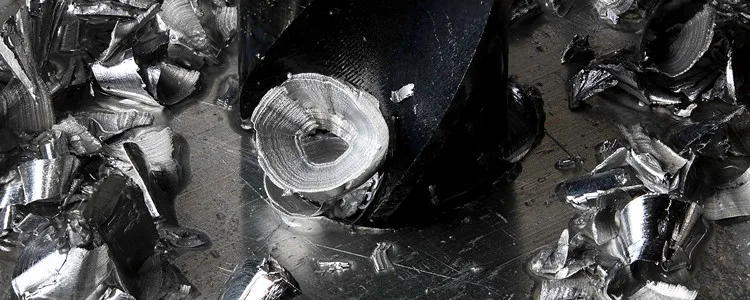
Drilling in metal is possible with any drill. Because there are significant differences between different types of metal — aluminium is much softer than steel or cast iron — it comes down to the right drill bit and the right technique. In How to drill in the metal, you will find four smart tips from professionals.
Maintenance of your drilling machine
Your drill is made to last, especially if you choose a professional brand. It is partly up to you how long you can continue to work with your machine without any problems. Read our professional tips for keeping your drill and other power tools in top shape in the Maintenance of power tools.