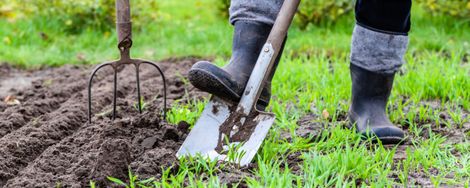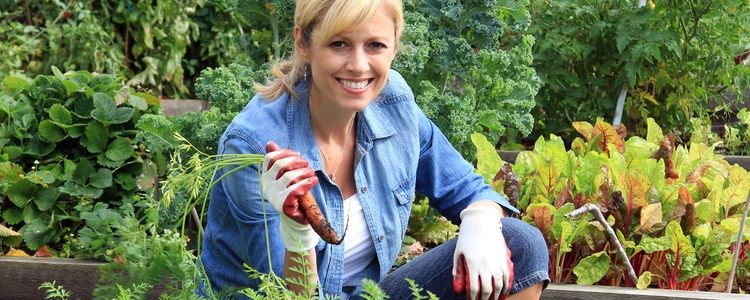
Spring has finally arrived, and trees and flowers are starting to bloom. Although you should expect the inevitable April rain showers, you can still look forward to the brighter and sunnier days. When the temperature starts to get warmer, and the garden slowly comes back to life, you may find yourself overwhelmed by the increasing gardening chores. Below you can prepare and read about what to look out for when doing garden jobs in April.
What to sow in April
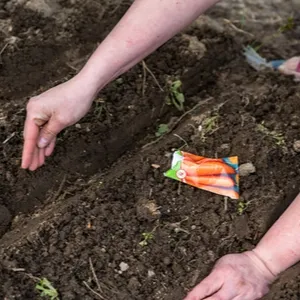
April is a busy time in the vegetable garden as the days get longer and warmer, allowing the opportunity to sow many seeds during this month. There are many seasonal vegetables that you can plant in April and harvest later on in the summer. That is why April is the perfect month to sow crops such as carrots, potatoes, aubergines, peppers, melon, chervil, broccoli, red cabbage, parsley, iceberg lettuce, etc.
Sensitive crops, such as aubergines and courgettes, still have to be sown under glass. If you have a conservatory or greenhouse, this is the perfect place to sow them. In principle, aubergines and courgettes can be sown earlier in the year in a greenhouse and in April. In any case, you should only move these sensitive plants outside after the last frost passes.
Scarify the lawn
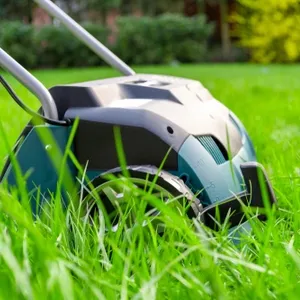
April is also an ideal month to scarify the garden. Scarifying is the mechanical removal of the felt layer that naturally grows in the lawn. But when it gets too thick, it prevents essential nutrients such as water, fertilizer and oxygen from reaching the grassroots. In practice, scarifying means removing mosses and dead grasses from the lawn.
You can do the scarifying by hand, but this is a fairly labour-intensive job. Getting on your knees over the lawn and removing every bit of moss will easily take a day if you have a large area of land to cover. It is, therefore, advisable to use a scarifier rake or a mechanical scarifier instead of doing it manually.
Fertilize the lawn
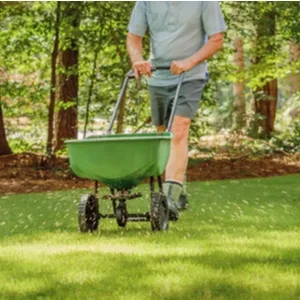
Fertilizing after scarifying is the next thing you can do with the lawn. April is the best month to fertilize the lawn after scarifying. There are many different types of fertilization, but in the end, the result is about the same. Lawn fertilizer and other types of plant fertilizers always contain three basic substances: nitrogen (N), phosphorus (P) and potassium (K). You can choose organic fertilizers or fertilizers.
April is often referred to as the grass month. In fact, National Lawn and Garden Month are celebrated in England every April. The sun, rising temperatures and high rainfall in April are the ideal mixes for the lawn to easily repair all damaged areas. By fertilizing the land, you can have a nice green lawn by the end of April.
Remove weeds
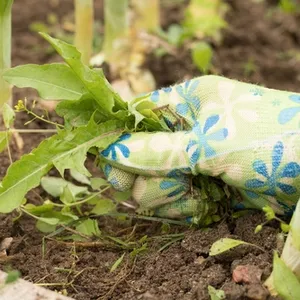
Keep weeds under control during April. Once the temperature starts to stay above zero during the nights, it is time to remove weeds from the garden. Removing weeds from the lawn in April can keep the number of unwanted plants during the spring and summer months to a minimum. Weed control is most effective if done after fertilizing. Manual weed removal is usually the fastest way to get the job done without resorting to exterminators.
Here you can choose to weed or hoe the weeds. Weeding means pulling out the weeds with their roots which takes longer to complete but will be more effective long term. Hoeing weeds requires a hoe with which you loosen the weeds an inch or two under the ground. You can do this standing up without much effort. With the help of a hoe, you cut off the plant’s root so that it dries out and dies.