Different levels in your garden will help create a dynamic and visually appealing landscape. Whether you have a large or small garden, adding heights can make the space more interesting and help separate different areas.
What Do Levels Do for Your Garden?
Different levels make your garden visually more interesting by adding height, depth, and texture. A shallow garden will appear deeper, and a narrow garden will seem wider. Different heights can also separate functional areas such as seating, play spaces, or vegetable patches. Practically, levels can aid in the drainage of rainwater, which is crucial in our climate. If your garden is on a slope, creating different levels can provide usable spaces.
How to Create Different Levels?
Terraces and Steps
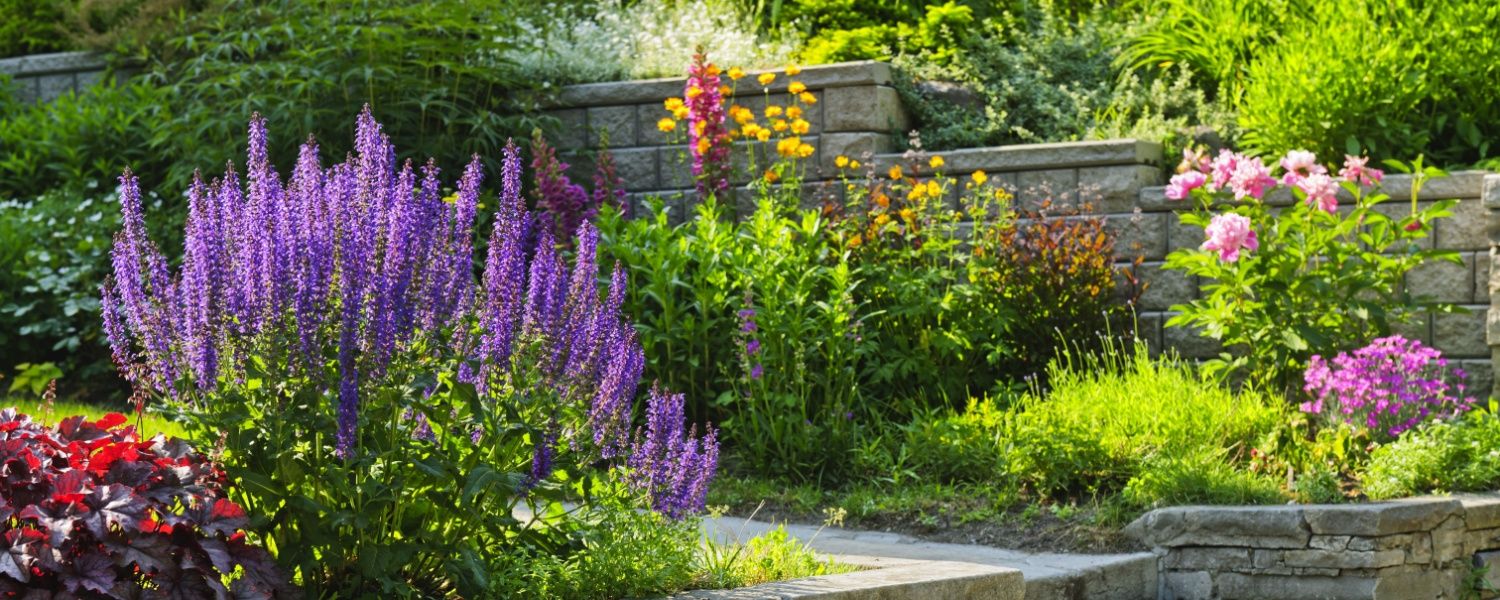
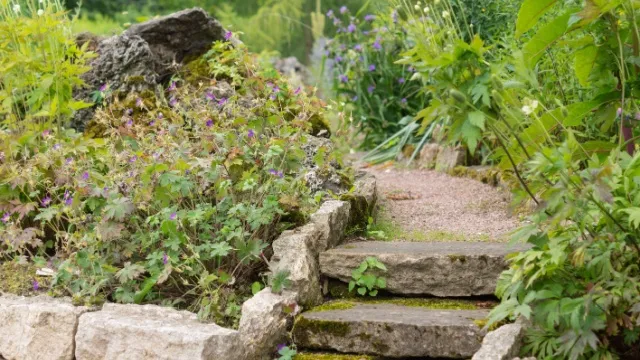
Creating terraces is a common way to introduce level differences. Unless your garden is naturally sloped, you will have to create the levels yourself, for example, using stacked or masonry walls or wooden planks. Materials, such as natural stone, brick, or wood can be used to make steps between the different levels.
Raised Borders
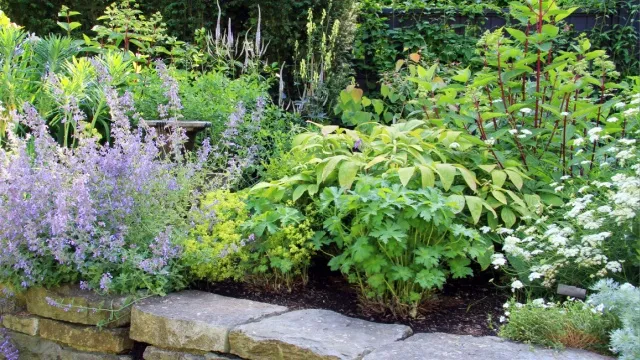
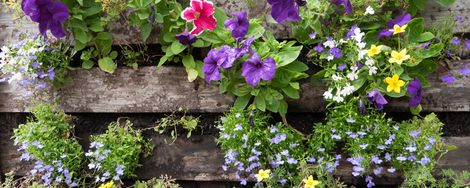
Raised borders not only make gardening easier and more back-friendly, but they also add a visual dimension to your garden. Depending on your garden’s style, you can use various materials for the border edges. Handy options are border rolls made of wooden stakes connected with wire. Additionally, upturned patio tiles, stackable blocks, railway sleepers, natural stone or brick walls, and metal sheets are suitable.
Mounds
Creating small mounds is a natural method to add levels. It is also a way to give excess soil a useful purpose. Plant them with grass, ground covers, or shrubs to prevent erosion and maintain a natural look.
A Waterfall
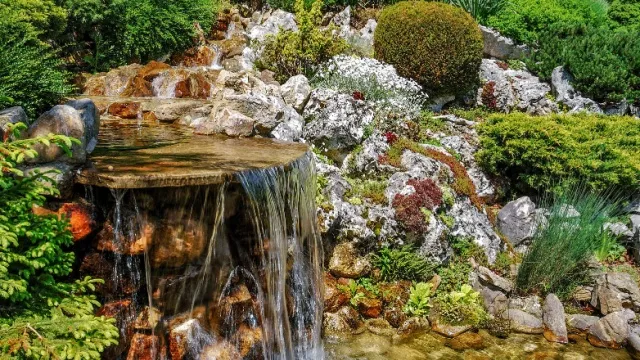
A waterfall that flows into a pond not only adds height but is also a beautiful and dynamic visual element in your garden.
Seating Areas
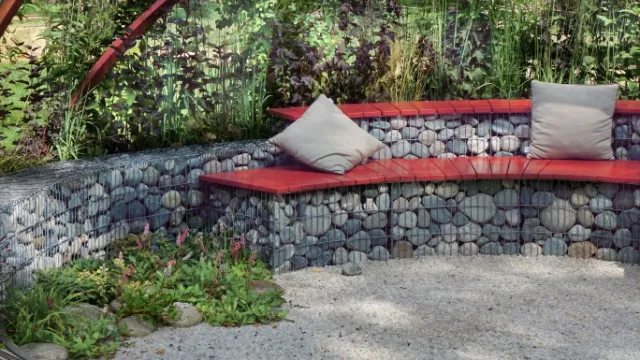
Raised seating areas, such as benches integrated into walls or steps, can be a comfortable and practical addition. They not only provide a place to sit but also add structure and height to the garden.
Inspiration for Levels
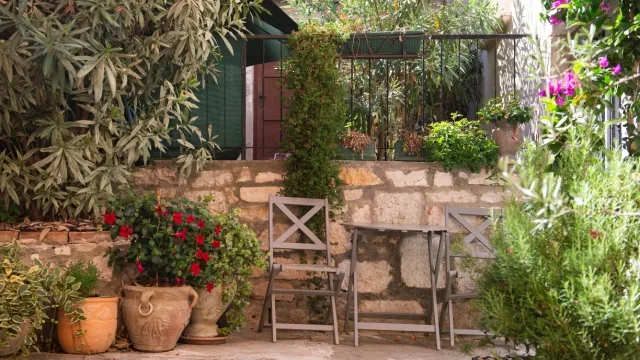
Mediterranean Garden
A Mediterranean garden with terracotta pots, lavender, oleander, and raised borders full of herbs and flowers calls for natural-looking level differences. Use natural stone for walls and steps to create an authentic atmosphere.
Modern City Garden
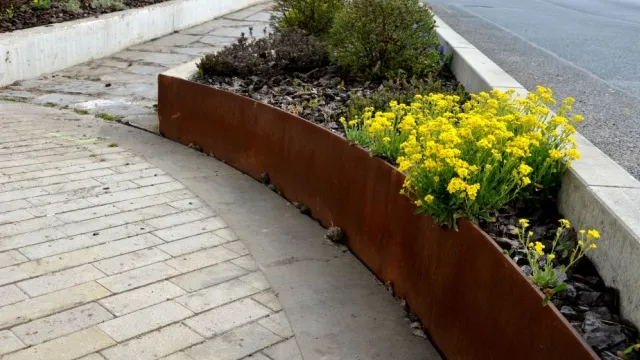
For a modern garden, work with clean lines and materials like concrete and Corten steel. Create raised platforms and seating areas, and add plant containers at different heights for a sleek and contemporary look.
Cottage Garden
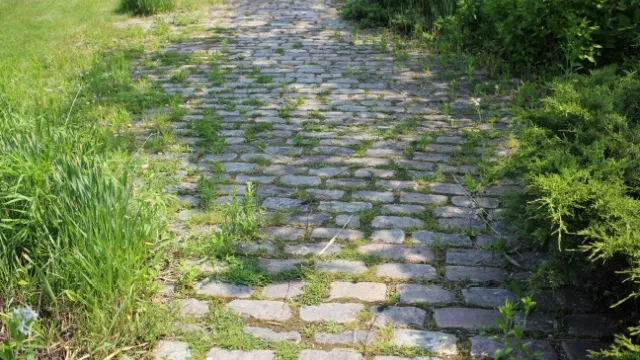
A cottage garden calls for rolling mounds and raised borders filled with wildflowers, shrubs, and small trees. Use wooden planks for border edges and brick for winding paths and steps.
From Inspiration to Realization: Tips for Your Garden Plan and the Implementation.