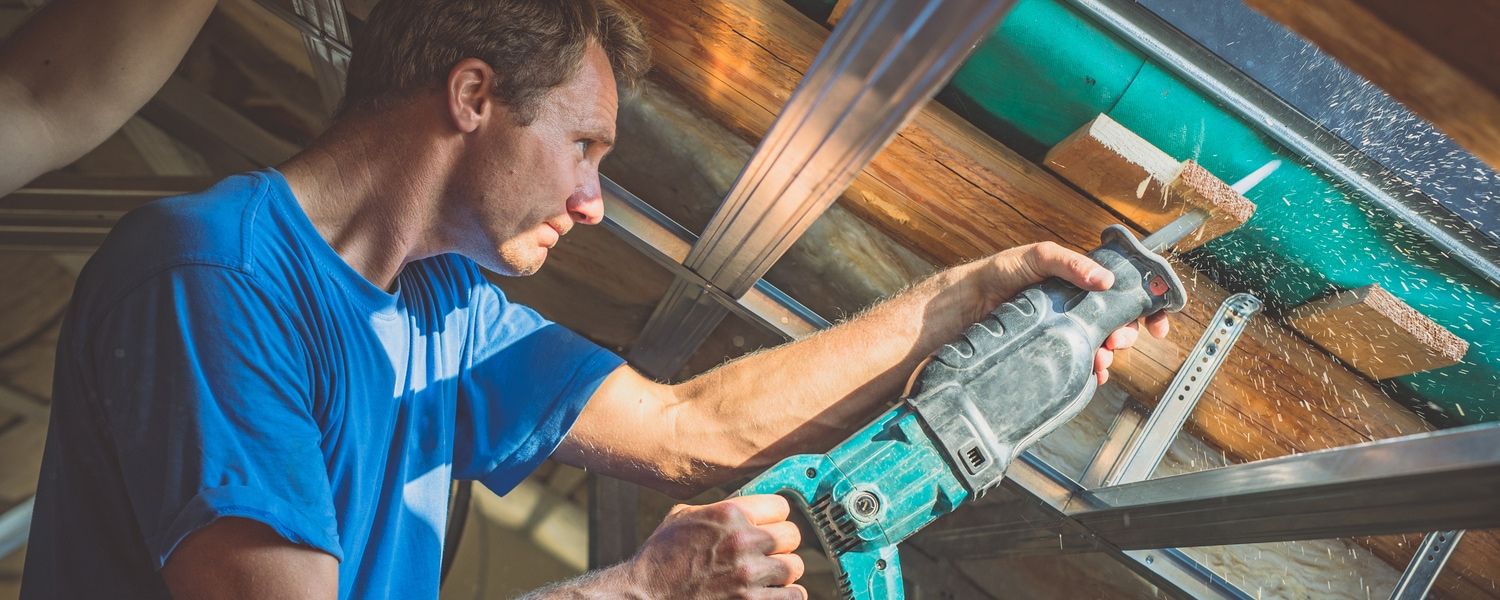
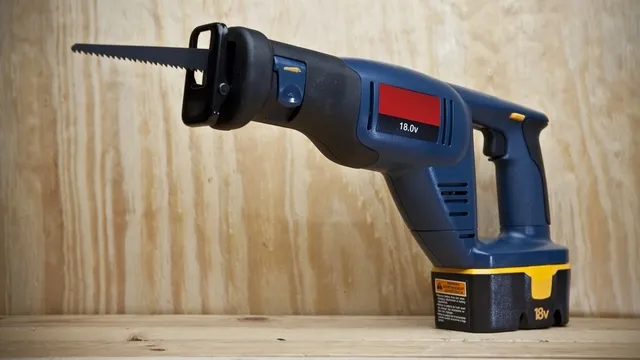
A reciprocating saw is a hand-held power saw with a handle with a trigger and a horizontal blade extending from the end of the saw. This design makes a reciprocating saw suitable for cutting curves and cutting in places with little space to make sawing movements.
What is a reciprocating saw used for?
A reciprocating saw is mainly used when hammers and crowbars are not strong enough for demolition work. The primary use of a reciprocating saw is to remove the materials around doors and windows and cut beams and drywall, etc. For example, when replacing windows and doors, one of the most time-consuming tasks is removing the old hardware. Reciprocating saws can use a wide range of blades designed for cutting through wood, metal and drywall, walls or fasteners.
How to use a reciprocating saw
Many people only use a reciprocating saw for cutting through strong materials and demolition work. Using a reciprocating saw, you can saw through different materials at lightning speed. A reciprocating saw, unlike most other types of saws, has a sharp point and is often used for coarse sawing, while other types of saws are more likely to be used for jobs where accuracy is critical. Using a reciprocating saw starts with choosing the right saw blade.
Choosing the right blade
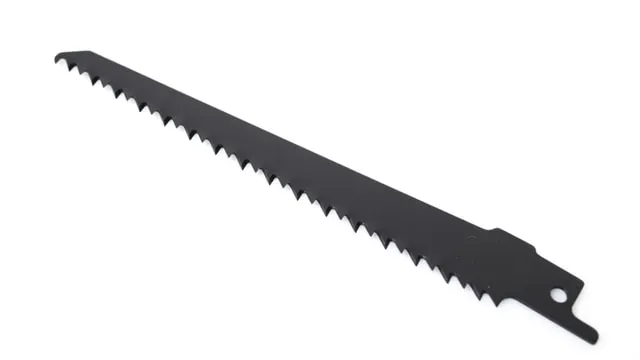
There is a wide range of blades for reciprocating saws. But which saw blade is suitable for which type of material? The reciprocating saw is only the right tool for the job if you use the right blade. In general, it is recommended to use fine teeth in thin material and coarse teeth in thick material. Therefore, always choose the correct saw blade for the material you want to process. Most saw blades indicate directly on the packaging what they are for: wood, wood with nails, thin metal, thick metal, plastic, plaster, etc.
Hold it the right way
After you have chosen the right saw blade, it is crucial that you know how to hold this saw correctly. Grasp the saw with your dominant hand on the rear handle and the other hand under the front handle, and make sure to use both hands always when holding the saw. Once you have a firm grip over the reciprocating saw with both hands, press the shoe against the material with the saw blade about 1 inch or 2.5 cm from the material. Make sure to press the shoe firmly against the workpiece to minimize kickback and vibration, then let the saw do the work.
Would you like to learn more about this topic? Read our article ‘Which saw for which job?‘