Planting and transplanting
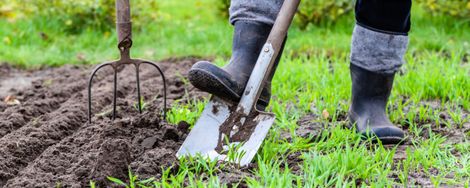
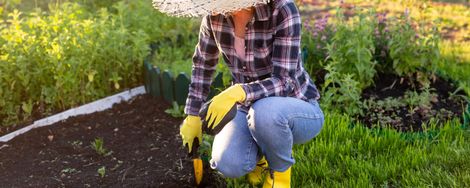
As long as there is no frost in the ground, now is the ideal time to plant or transplant deciduous shrubs. Dig a large planting hole, and mix a good amount of compost into the soil. Tamp the soil around the roots well and water when the soil is dry.
It is also planting time for raspberries, blackberries, and currants, and the same goes for trees and hedges. A rule of thumb: plants grown in pots can be planted with a root ball all year round, but plants with bare roots and trees or shrubs from the open ground are best planted in the winter months — the rest period. So don’t wait too long.
Flower bulbs
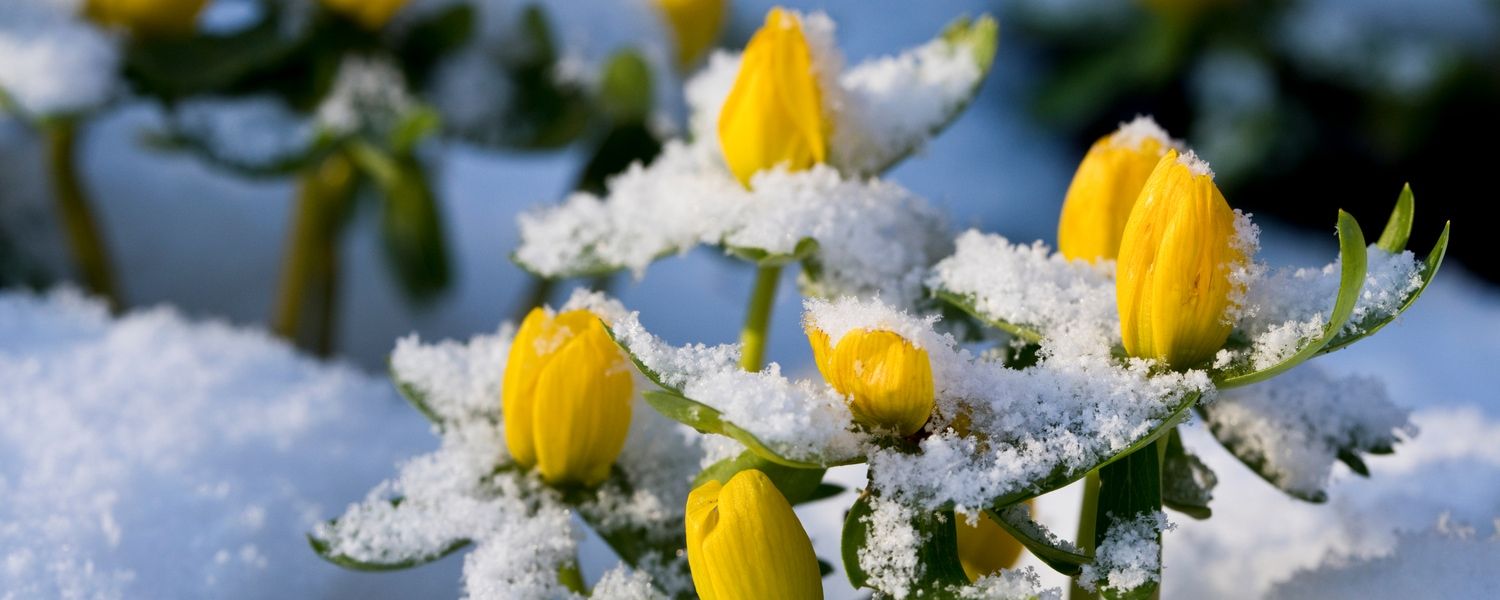
The tubers of spent snowdrops can now be dug out and multiplied. Carefully remove them from the ground, tear them up and plant them out with a little compost in the planting hole.
The tubers of summer bloomers such as dahlias are now starting to sprout in their frost-free overwintering spot. Place them in an area with ample sunlight and give some water. This allows them to form new shoots before going into the ground in March.
Pruning
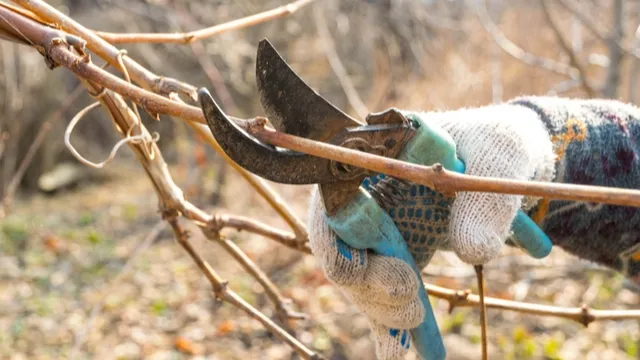
On frost-free days, you can prune a large number of shrubs and trees.
- February is the last chance for fruit trees such as apples and pears, but it is already too late for stone fruits, such as cherries and plums. You can still remove dead branches, though.
- You can prune deciduous hedges to shape.
- Now is also the right time to prune late-flowering shrubs such as buddleja and clematis.
- Wait until March to prune roses.
Protect
Severe frost and heavy snowfall are no exception in February. Special protection is needed for hydrangeas, which are already forming flower buds. Cover them when frost is expected. Shake a thick layer of snow from plants and shrubs to prevent the branches from breaking under the weight.
Weeding
With the first life in the garden, the first weeds also rear their head. Nettles, nursery grass, and other unwanted guests are now easy to pull out. This is preferable to hoeing so that you don’t damage the roots of garden plants.
Lawn
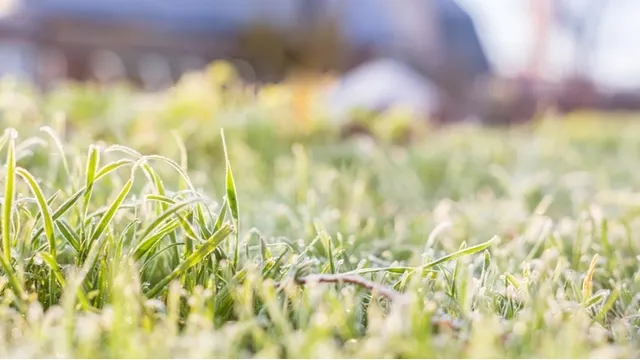
When it freezes, the grass is extra vulnerable. Therefore, walk as little as possible on the lawn as long as there is frost in the ground. In February, you can spread lime to make the soil less acidic and prevent moss growth in the lawn. It is better to wait until March to sow bare spots. Then it’s time for the first mowing too, so take your lawnmower in for service and to have the blades sharpened if you haven’t already done so.
Pond
The pond needs little attention this month. If there are any chances of frost, ensure that there is always an opening in the ice, but do not cut a hole. Fish can die from the shocks. As long as the temperature does not rise above 6 °C, you don’t need to feed pond fish.
Fertilize
From mid-February, you can mix some extra food through the soil of the borders. Use an organic product for this, which releases the nutrients slowly. The action of chemical fertilizers is still too fast for this time of year.
The big jobs
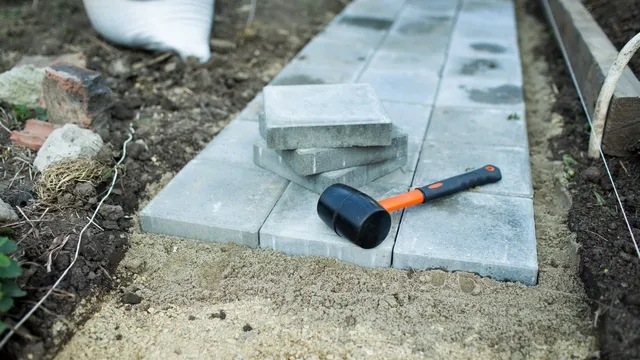
The beautiful days of February are also ideal for shaping your new garden plans. Take a look at our other garden articles for inspiration, such as Tips for your garden plan and the implementation or Raised garden borders.