The lawn in September

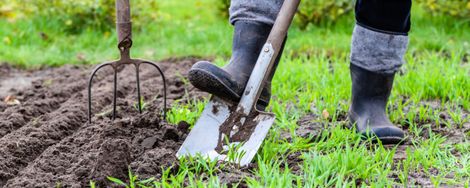
Even though the grass no longer grows quick, you will still have to mow a few times. September is the ideal time to sow a new lawn or do something about bare spots in your grass. The seeds will germinate quickly because the soil is still warm. Spray the sown areas regularly, especially if the weather gods offer us a dry September month.
Planting in September
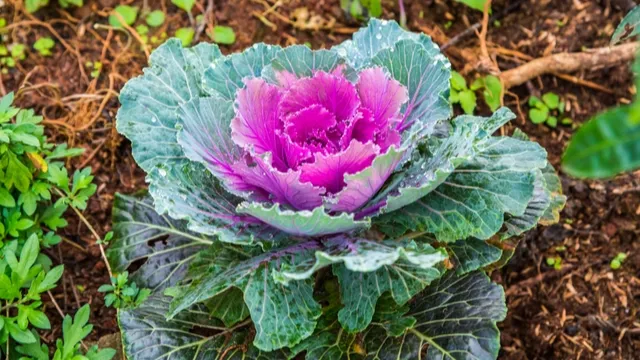
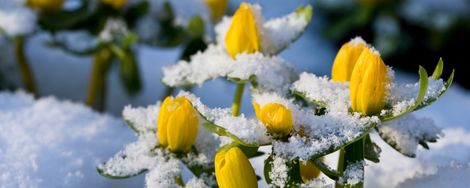
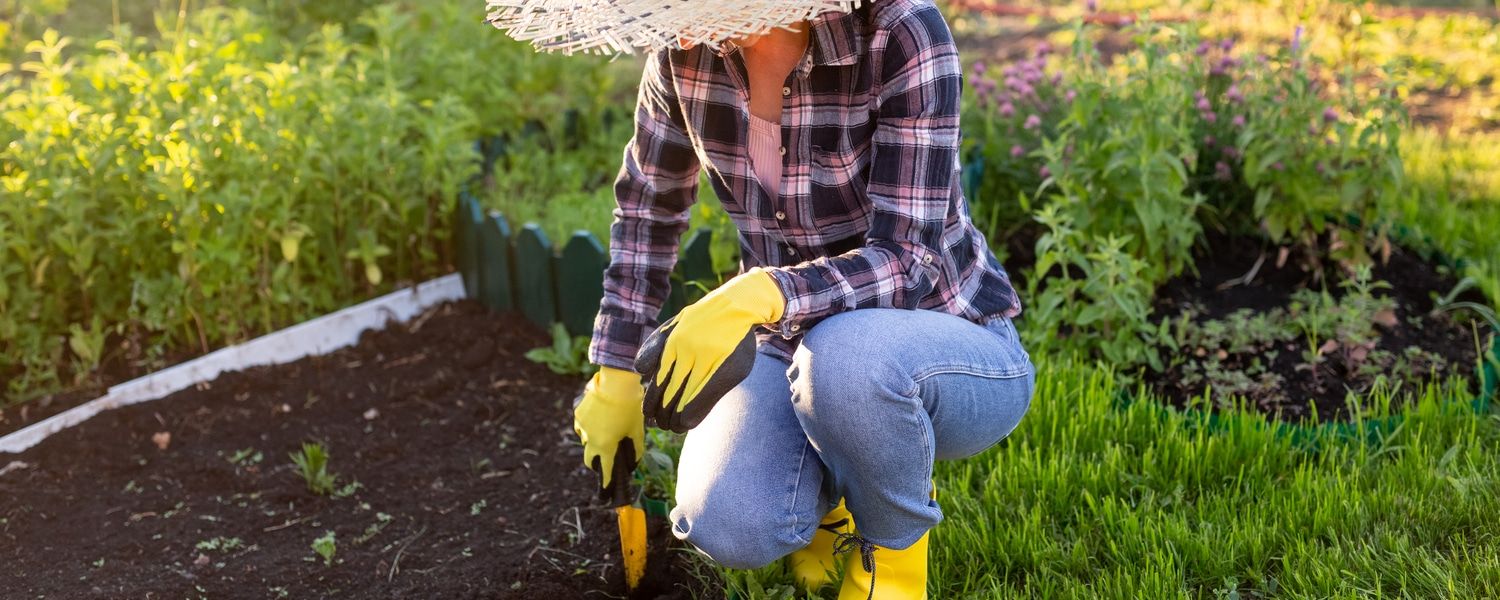
The warm soil also gives perennials a good start. The roots can still anchor well for the winter. Evergreen shrubs and conifers can now be planted or transplanted. You can also propagate the perennials in your garden by tearing them and planting them out again. In the garden centre, you will now find a variety of winter-flowering plants. Ornamental cabbages, winter heather and berry-bearing shrubs bring life and colour in the winter months. And for a bright start to the new garden season, you can plant flower bulbs such as daffodils, crocuses and tulips. Wait until the end of the month to do this since late September-early October is the best time to plant spring-flowering bulbous plants.
Pruning in September
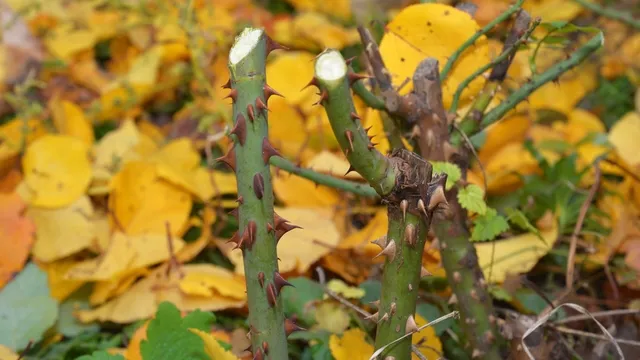
Hedges of privet, yew, beech, and boxwood will have stopped growing. If you prune them now, they will stay in shape all winter long. It is also best to prune fruit trees, nut trees and chestnut trees in September. The same applies to the topiary of container plants. They recover best from pruning while they are still outside.
Roses now also require pruning. Unlike summer pruning, which stimulates the production of new flowers, it is now about helping the rose bushes through the cold period. Prune the roses to about 50cm above the ground. In this way, the sturdier stems — more resistant to wind and frost — remain in place.
Tip: Apply a pile of sand around the stem for extra protection of your roses during the winter months.
The vegetable garden in September
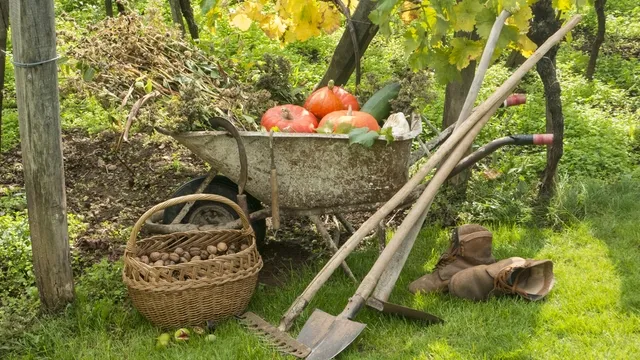
Besides harvesting, you can also sow and plant this month. Crops that you can still bring to the table this year are spinach, kale, chicory leaf, lettuce, lamb’s lettuce, radishes, arugula, cress and romaine lettuce. From September, garlic cloves and onions can also be planted for an early harvest in the coming gardening season.
Tip: Cover vacant plots in the vegetable garden with a layer of farmyard manure or compost or sow green manure. In 3 do-it-yourself compost bins, we tell you how to convert your vegetable and garden waste into high-quality plant food.
Enjoy the outdoors longer

Just because the days are getting shorter and the evenings are getting colder doesn’t mean we have to retreat within the walls of our home. With patio heating, you can extend the garden season and enjoy the outdoors in the coming months. Read here on which types of patio heating you can choose and how to install patio heating yourself.