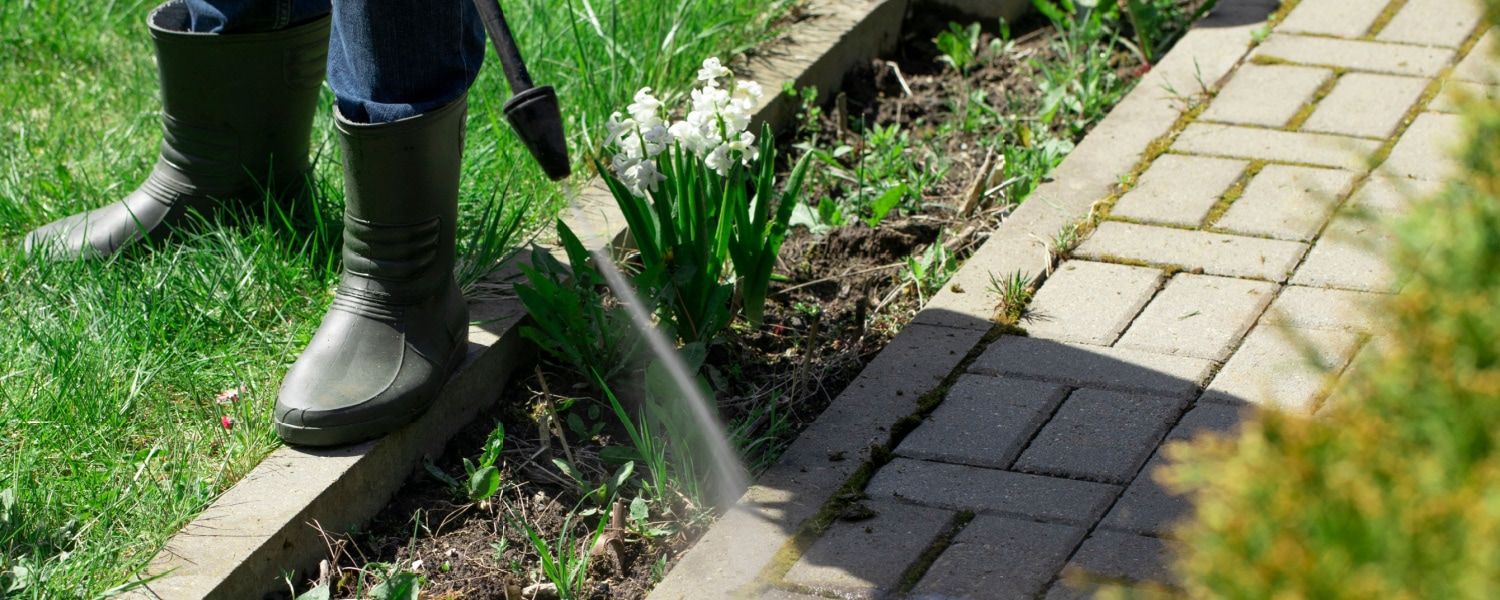
A high-pressure cleaner is an ideal tool to remove stubborn dirt and deposits from the terrace. But that’s not its only function in the garden, and it comes in handy in many other ways. Here we list all the different usages of a high-pressure cleaner and tell you how best to proceed with each one.
Which high-pressure cleaner is most suitable?
High-pressure cleaners come in a large number of designs. The main difference is the water pressure. The lighter models have a water pressure of up to 110 bar, and the heavy versions for professional use deliver more than 130 bar. For all common jobs in the house and garden, a water pressure between 110 and 130 bar is sufficient. A high-pressure cleaner with adjustable water pressure is preferred, which allows you to adjust the power of the water jet to the surface, work efficiently, and prevent damage. Brushes and other attachments are available for various applications, which make work easier and ensure a good and safe result.
Cleaning the terrace with a high-pressure cleaner
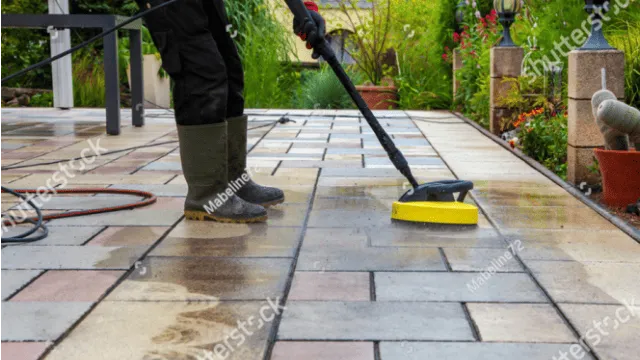
Removing dirt and green deposits from the terrace is easy with a high-pressure cleaner. Many high-pressure cleaners have a system for adding cleaning agents. Adding an all-purpose cleaner or a special garden tile cleaner to the water can help you clean the patio tiles even better.
Before applying the sprayer, sweep the patio with a broom to remove debris, such as dead leaves or large clods. For a good result and to prevent damage to the tiles, it is best to use a terrace cleaning attachment. The rotating nozzles provide a constant, balanced water jet.
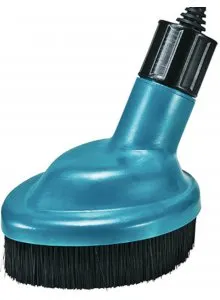
Start on one side of the deck and work the entire length before making the next strip. Ensure that the water can drain easily and start opposite the side where the water runs so that the dirt does not flow back over the freshly cleaned tiles. On terraces where the tiles have not been grouted with cement, the water jet will spray the sand out of the joints, and you will probably have to sweep new sand into the joints after cleaning.
Cleaning wood with a high-pressure cleaner
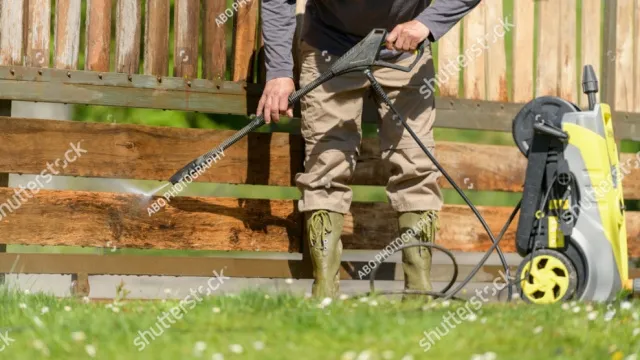
You can also clean wooden decking and garden fences with a high-pressure cleaner. However, it is essential to exercise some caution here. When you spray a wooden fence with a water jet that is too powerful, you run the risk of damaging the wood and spraying away the protective stain or oil. A water jet that is too powerful also makes the wood rough, making it easier for dirt and deposits to adhere.
So don’t set the water jet too powerful, and if you have a machine whose water pressure is not adjustable, keep the nozzle a little further away from the surface to be cleaned. For decking, we recommend using a terrace brush. For wood, special cleaning agents are available to add to the water.
Cleaning garden furniture with a high-pressure cleaner
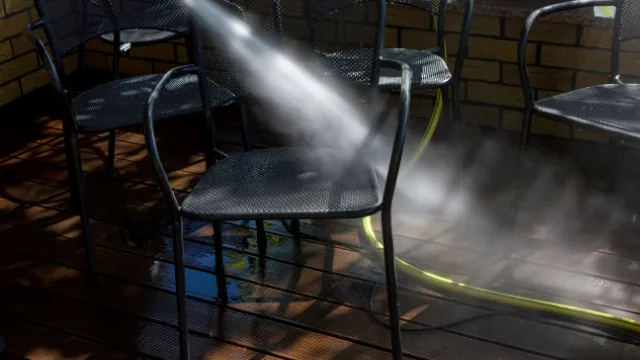
You can safely clean both wooden and plastic garden furniture with a high-pressure cleaner. First, remove all loose dirt and dust with a brush. Set the water pressure low for delicate materials such as reed or painted surfaces — even as low as 50 bar. You can add special cleaning agents to the water for various garden furniture materials, such as rattan cleaner, plastic cleaner and wood cleaner.
Hold the sprayer approximately 6 inches from the furniture surface and spray with a sweeping motion. Work from top to bottom and keep the spray lance in constant motion to prevent damaging the surface. After hosing, rinse furniture thoroughly with water to remove the residual cleaning solution and avoid streaking. It is best to let the furniture dry in the sun because using a cloth can leave streaks on the surface.
Cleaning the barbecue with a high-pressure cleaner
We conclude with the dirtiest garden furniture of all, the barbecue. You can spotlessly clean barbecue grills with a high-pressure cleaner without much effort. Choose a spot in the garden that can get dirty and take the barbecue apart. Remove grids, drip trays and other parts before attaching the sprayer. First, spray the loose parts clean and then the container itself. Hold the sprayer about 2 inches from the surface and spray in a sweeping motion. And make sure you don’t aim the sprinkler directly at control buttons and electrical connections. After cleaning, rinse everything thoroughly with water to remove the cleaning agent you used; regular dishwashing liquid is excellent. Finally, spray the area one last time so no grease and other residues remain.