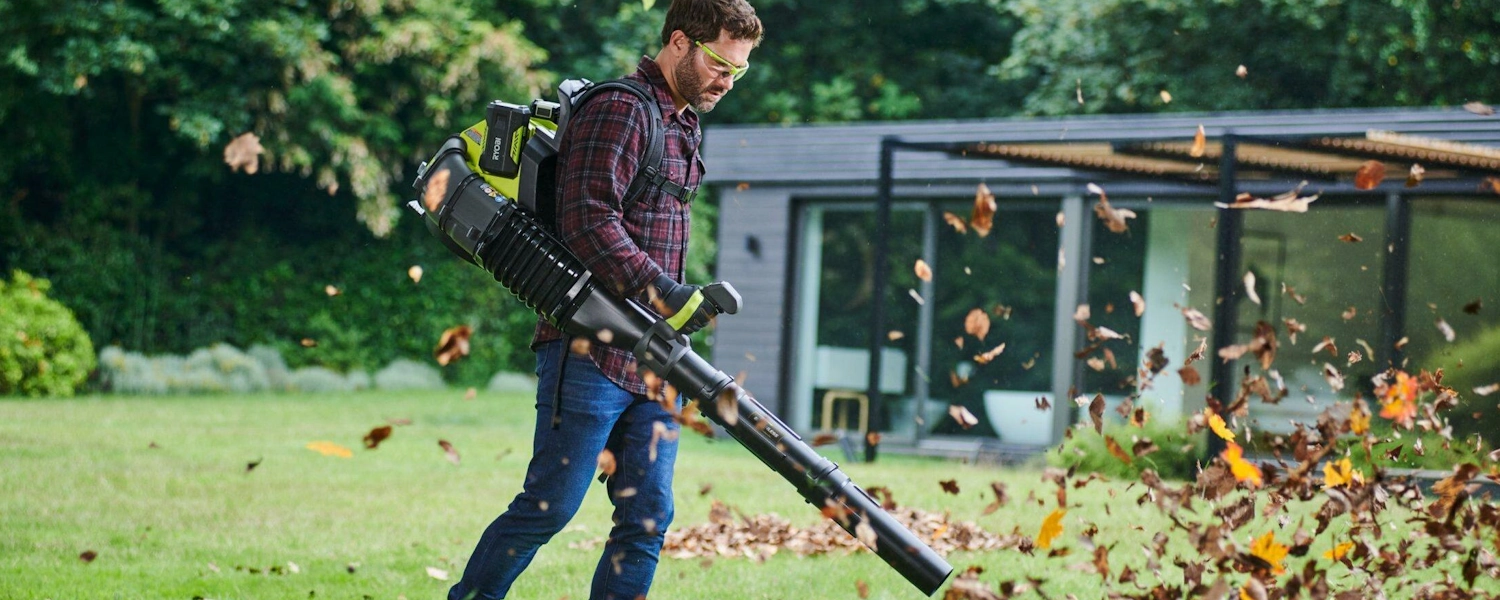
Autumn brings beautiful colours, but also the inconvenience of falling leaves. Using a leaf blower is the easiest and quickest way to manage this. However, with so many models and functions, it can be difficult to determine which leaf blower best suits your needs. In this article, we discuss the key things to consider when purchasing a leaf blower.
Why Should You Remove Leaves?
Fallen leaves provide nutrients for plants and shelter for animals, but there are two places in the garden where they do more harm than good —first, the lawn. Autumn leaves should never be left on the lawn, as they prevent grass from getting enough light and air during autumn and winter, leading to rot. This results in bare, unsightly patches and creates an ideal environment for moss. The second place where fallen leaves don’t belong is on paved areas. On terraces and paths, leaves can cause a slipping hazard. Additionally, leaves, particularly oak leaves, contain tannins, which can stain paving with persistent marks.
What Can You Do with Fallen Leaves?

Once you’ve gathered leaves into a pile, there are several ways to make use of them. In flower beds and vegetable gardens, they make valuable mulch. A layer of leaves under trees and shrubs helps protect roots from frost and adds nutrients to the soil. You can also add autumn leaves to the compost heap or bin. However, because leaves contain a lot of carbon but little nitrogen, they decompose slowly. If you pile too many leaves together, they won’t compost easily. Mix the leaves with grass clippings, compost accelerator, or shredded branches and twigs. These coarser materials allow air to circulate, which is necessary for the composting process. Lastly, leaving small piles of leaves in your garden will be a great help to animals like hedgehogs.
A Wide Range of Leaf Blowers
Leaf blowers come in various models, making it possible to choose the most suitable one for every use. What should you consider when buying a leaf blower?
The Motor: Battery or Petrol?
Battery-powered leaf blowers are light, quiet, and nearly vibration-free. With an extra battery, you can work all day without disturbing your neighbours, as they produce very little noise. If your garden isn’t too large, a battery-powered leaf blower is the best choice. For heavier tasks, such as clearing large amounts of wet leaves, a petrol leaf blower is more suitable. These machines are more powerful but also heavier and noisier. Moreover, petrol leaf blowers require more maintenance than battery models.
Power and Blowing Speed
The power of a leaf blower is usually indicated in cubic metres per minute (m³/min) or airspeed (km/h). For light tasks like clearing leaves from a small patio or driveway, a leaf blower with an air speed of around 150 km/h is sufficient. For larger gardens or areas with many trees, a model with an air speed of 250 km/h or more is recommended. In addition to air speed, air volume is also important. The higher the air volume (m³/min), the more leaves you can move at once. For larger areas, a more powerful model with a high air volume is ideal.
Weight and Comfort
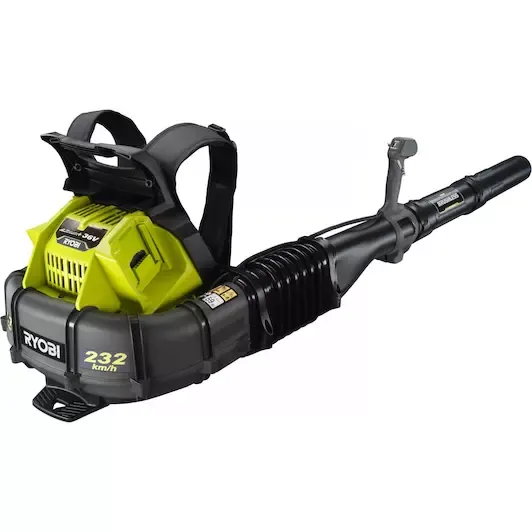
The weight of a leaf blower is an important factor, especially if you plan to use it for extended periods. Battery-powered leaf blowers are usually lighter than petrol models. For short use, a simple handheld model will do. For heavier tasks, a leaf blower with shoulder straps or a backpack is more suitable.
Extra Features
Many leaf blowers come with additional features that enhance their use:
- Suction and Shredding Function: Some leaf blowers can not only blow leaves but also suck them up and shred them. This is handy if you want to compost or collect leaves without having to clean them up manually.
- Speed Control: With variable speed settings, you can adjust the power of the airflow to suit the situation, giving you more control.
- Attachments: Leaf blowers can come with various attachments for specific tasks, such as a narrow nozzle for targeted airflow.
Safe Use of a Leaf Blower
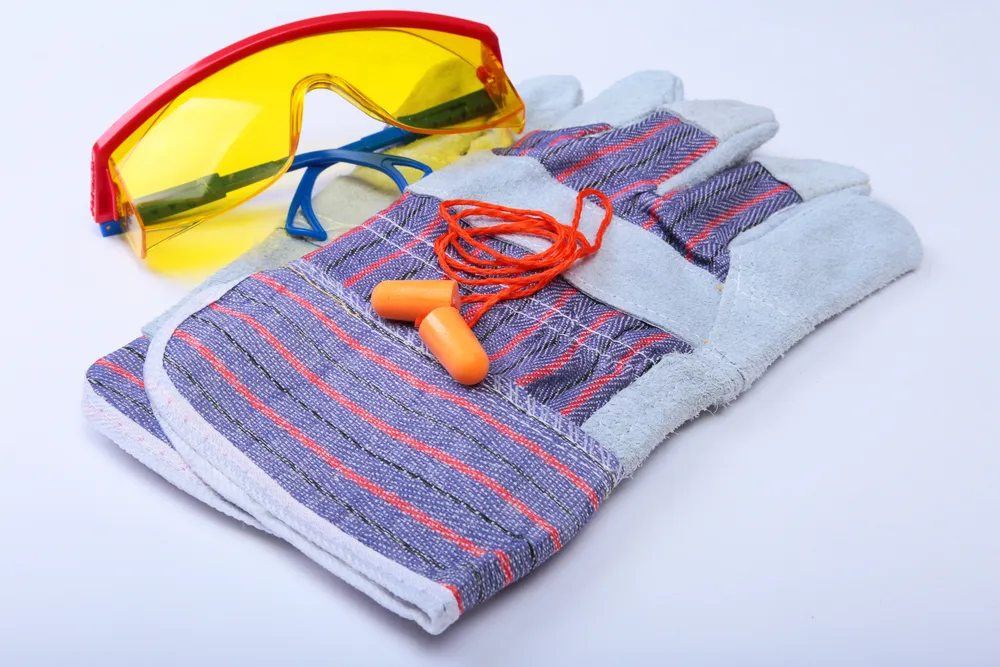
A leaf blower produces a strong airflow. Make sure never to aim the blower at people or animals. Small stones can also be blown away and could cause injury if they hit someone’s eye. Always wear safety glasses and hearing protection when using a leaf blower. An important point to note with petrol leaf blowers is that the engine can get very hot.